The Family Doctor, for the Whole Family

There is a particular household dynamic that plays out often in Chapel Hill. The kids are patients. The partner is a patient. Everyone has a physician who knows them. And the man of the household has a doctor listed in an app somewhere he hasn't actually seen in two years. That gap is worth closing.
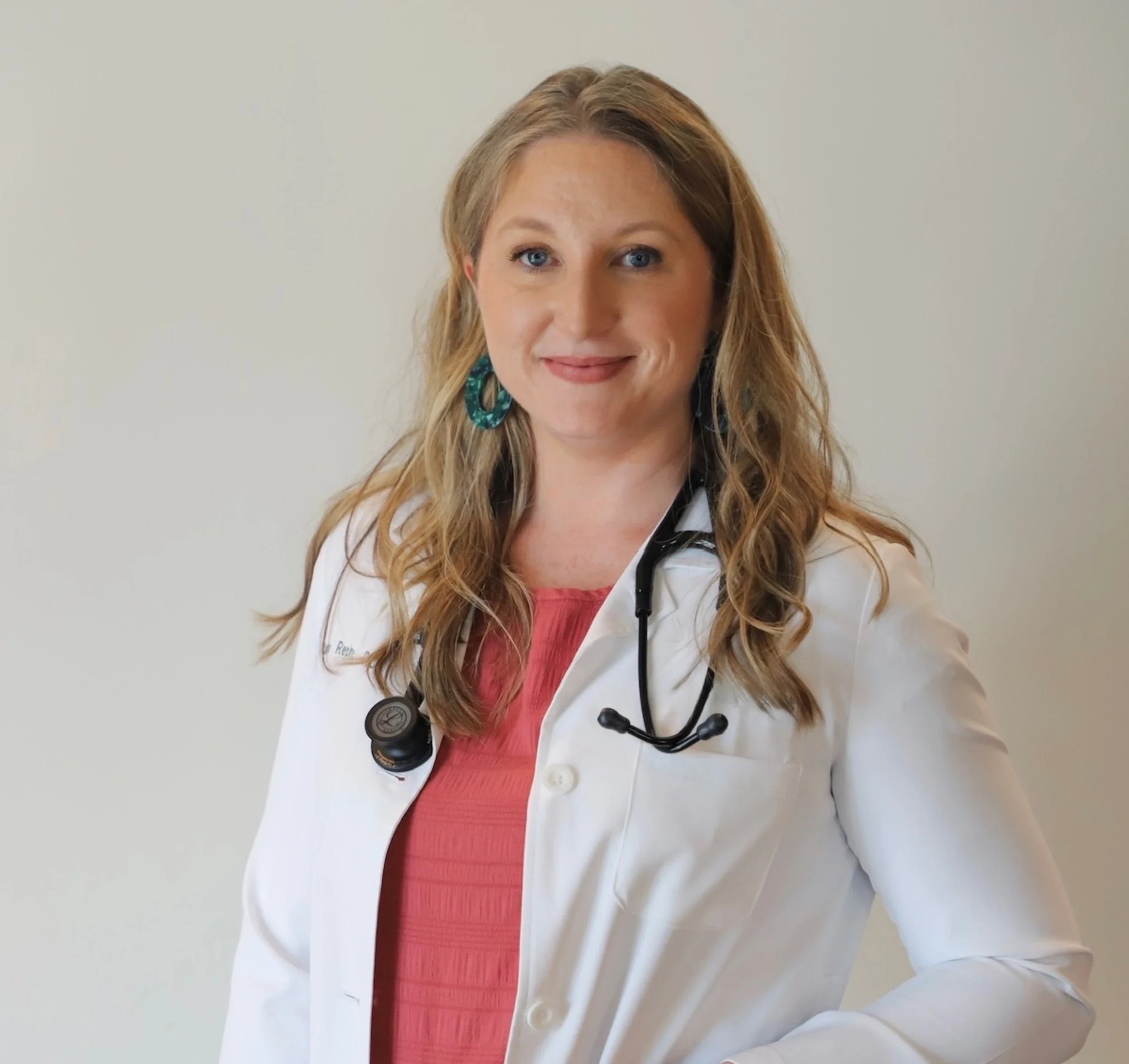
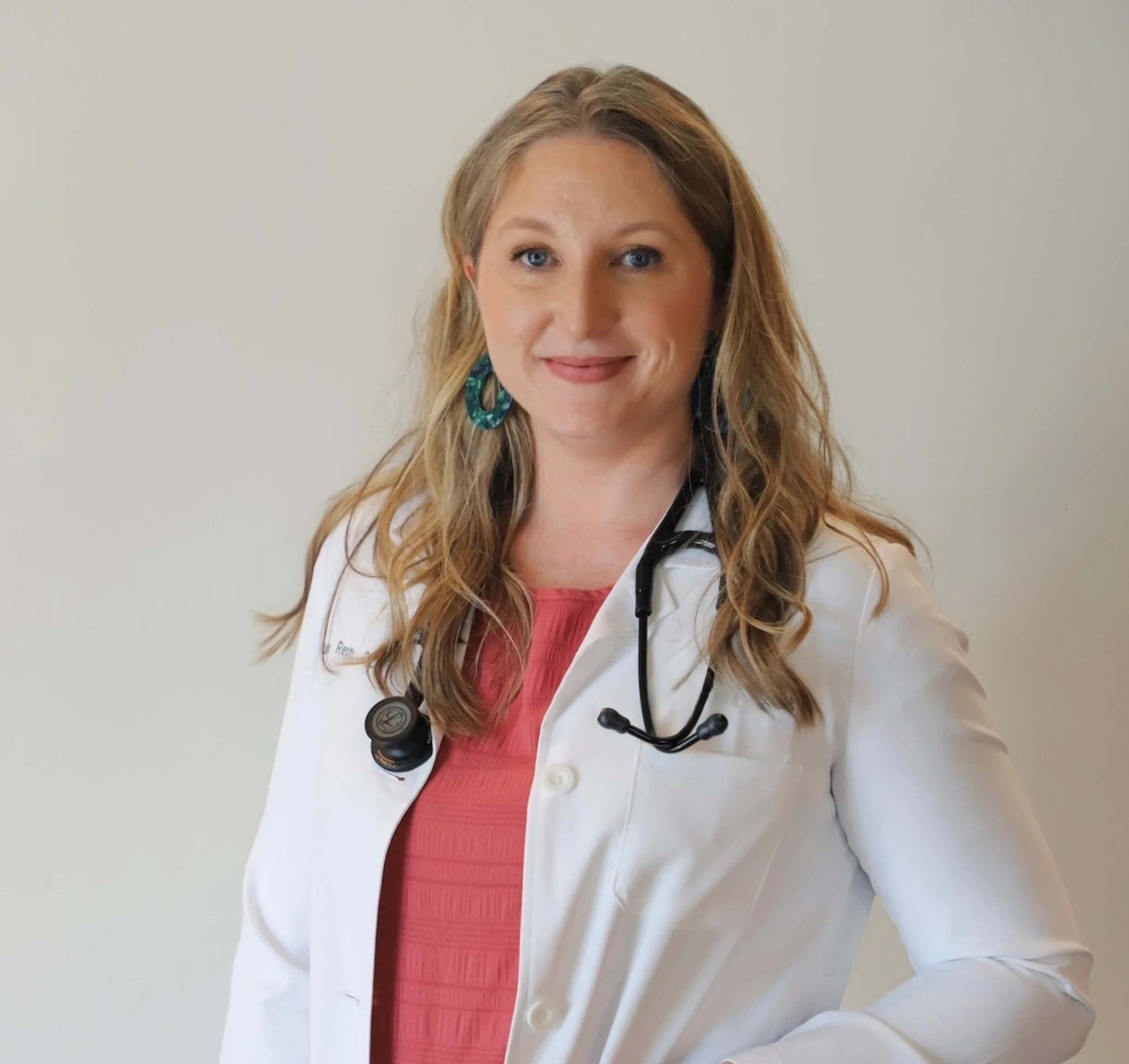
Dr. Claire Repine, DO, MSCP | Concierge Medicine of Chapel Hill
Last updated: April 2026
What Men in Chapel Hill Should Know About Concierge Primary Care
There is a particular kind of household dynamic that plays out often in Chapel Hill. The children are patients. The wife or partner is a patient. Everyone has a physician who knows them, who returns calls, who does not make them wait three weeks for a sick visit. And the man of the household has a doctor listed in an app somewhere that he has not actually seen in two years.
It is not intentional neglect. It is a combination of things that compound over time: a healthcare system that rewards volume over relationship, appointments that feel too brief to be worth the calendar disruption, and a general tendency among men to assume that no news is good news until it demonstrably is not.
At Concierge Medicine of Chapel Hill, Dr. Claire Repine, DO, MSCP, sees patients across the full arc of adult life, with a practice built around families and preventive medicine. That means she sees children, women navigating perimenopause and menopause, and the men who live alongside them and deserve the same quality of care. The practice is genuinely built for families, which in practice means it is built for everyone in the family.
Including you.
What It Means to Have a Family Practice That Takes Adults Seriously
The phrase "family medicine" carries a specific connotation, and it is not always flattering. It can suggest a generalist approach that covers everything superficially and handles the serious work elsewhere. That is a fair critique of certain practice models, but it is not a fair description of concierge primary care.
Dr. Repine is a board-certified osteopathic physician with additional certification in menopause care through the Menopause Society. Her training is in the whole patient, the full picture of how systems interact, how age, lifestyle, and history converge into the health someone actually has, rather than the health a single-organ specialist sees. That is exactly the kind of medicine that benefits men at midlife, when the relevant concerns rarely fall within a single system and almost always require someone who looks at the complete picture.
Having that physician inside a practice that also serves your family has practical advantages that compound over time. Dr. Repine will know the context of your household. She will understand the stress patterns, the family health history, the life circumstances that shape how people feel and function. That kind of longitudinal familiarity is not replicable in a practice that sees you once a year for 20 minutes and starts from scratch each time.
The Chapel Hill Version of Deferring Care
Chapel Hill and the surrounding Triangle are home to a particular kind of patient. Highly educated. Professionally demanding. Accustomed to taking a rigorous approach to most things. And, in a pattern that cuts across all of those demographics, they are surprisingly likely to neglect their own health while managing everyone and everything else.
The rationalization is usually some version of feeling fine. Not dramatically unwell. Not facing an obvious crisis. Just a baseline that has shifted gradually enough not to register as a problem until it has shifted quite far. The fatigue that has become the new normal. The weight that has accumulated quietly over years of sedentary travel and working lunches. The blood pressure that gets checked at a pharmacy kiosk occasionally and noted with vague intention to do something about it.
The conventional healthcare system is not particularly well designed to interrupt that pattern. Brief annual appointments are not designed for the kind of investigative conversation that surfaces slow-moving problems. They are designed to document what is already observable. When the appointment is 15 minutes away, and the next available slot is six weeks out, the patient quickly learns that the system will not come to them. They have to come to the system with a clear, singular complaint and hope it gets addressed.
Concierge medicine inverts that relationship. Dr. Repine comes to you in the sense that she is accessible, she is tracking your numbers across visits, and she is reaching out when something warrants attention rather than waiting for you to bring it up. For men who would otherwise continue deferring indefinitely, that structure changes the outcome.
Why Cardiovascular Risk Is the Conversation Men Most Need to Have
The strongest clinical argument for men to engage proactively with primary care at midlife is cardiovascular risk. Heart disease is the leading cause of death for men in the United States, and its foundations are laid gradually, over a decade or two before an event occurs. Elevated blood pressure, unfavorable lipid levels, insulin resistance, and chronic inflammation do not announce themselves. They accumulate.
What standard annual care tends to do is check the numbers. What it often does not do is contextualize them, track their trajectory, or act on trends that fall short of the threshold for a formal diagnosis but are clearly moving in a concerning direction. A total cholesterol of 208 is not high enough to trigger treatment under most guidelines. It is also nothing, depending on your age, your family history, your blood pressure trend, and several other factors that require time and attention to evaluate properly.
Dr. Repine's approach to preventive medicine is built around exactly this kind of individualized risk assessment. Rather than applying a generic protocol to your age bracket, she builds an understanding of your specific risk profile over time. That means interpreting your labs in context. It means having the conversation about family history that most patients have never been asked about thoroughly. It means adjusting the plan as your circumstances change, which they do, particularly in the 40s and 50s when stress load, sleep patterns, weight, and metabolic function are often shifting simultaneously.
Early intervention in cardiovascular risk reduction is substantially more effective than intervention after an event. That is the evidence base that guides preventive cardiology, and acting on it requires exactly the kind of physician relationship that concierge medicine is designed to provide: one with enough continuity, enough time, and enough familiarity with the patient to notice when the trajectory needs to change.
The Concerns That Get Skipped in a 15-Minute Appointment
Beyond cardiovascular risk, there is a category of health concerns that men consistently delay discussing, not always because they are embarrassed, though that is part of it, but because a rushed, transactional appointment does not create the conditions for that kind of conversation.
Sleep
Disordered sleep is common in men at midlife and is associated with cardiovascular health, weight regulation, immune function, mood, and cognitive performance. It is also significantly undertreated in primary care settings, where there is no time to evaluate it properly.
Mood and Mental Wellness
Not in the sense of acute psychiatric conditions necessarily, but in the sense of the low-grade exhaustion, irritability, or disconnection that men in high-demand professional environments often describe and rarely investigate clinically. Those presentations deserve attention. They are frequently connected to identifiable, addressable things.
Sexual Health
Concerns in this category are often vascular signals as much as they are anything else, and they tend to surface only when a patient has a physician they trust and enough time in the appointment to actually bring something up.
In a concierge practice, these conversations happen because the structure supports them. The appointment is long enough. The relationship is established enough. The physician is familiar enough with your baseline to notice when something has changed, even if you have not flagged it directly.
What Membership at Concierge Medicine of Chapel Hill Includes
The practice offers same-day or next-day appointments, extended office visits, direct access to Dr. Repine by phone and text, telehealth, and care coordination when specialist referrals are needed. She maintains a small patient panel, which is the structural basis for everything else. Fewer patients means more time per patient, and more time per patient means care that actually tracks your health over the long term rather than responding to it episodically.
For families joining the practice, having a single physician who knows everyone's history and can see the broader context of how a household functions has practical value that goes beyond convenience. It means that when something comes up, the conversation does not start from the beginning.
The practice is located in Chapel Hill, North Carolina. You can reach the office at 919-827-0009 or visit chapelhillcm.com to learn more or request a consultation.
The Part of Your Health Plan That Has Been Missing
If everyone else in your household has a physician they trust and you are the exception, that gap is worth closing. Not because something is necessarily wrong, but because finding out before something goes wrong is the entire point of preventive medicine, and preventive medicine requires a physician with enough time and continuity actually to practice it.
Dr. Repine built Concierge Medicine of Chapel Hill around the belief that primary care should be longitudinal, investigative, and genuinely personal. That is what families deserve. It is also what you deserve, as an individual with your own health history, your own risk profile, and your own concerns that have probably been waiting longer than they should for a physician who has time to address them properly.
The practice sees men. More to the point, it sees them as patients whose health is worth the same level of attention, access, and clinical investment as everyone else in the family. If that is the kind of care you have been looking for, it is available here.