5 Signs You’ve Outgrown Your Primary Care Practice
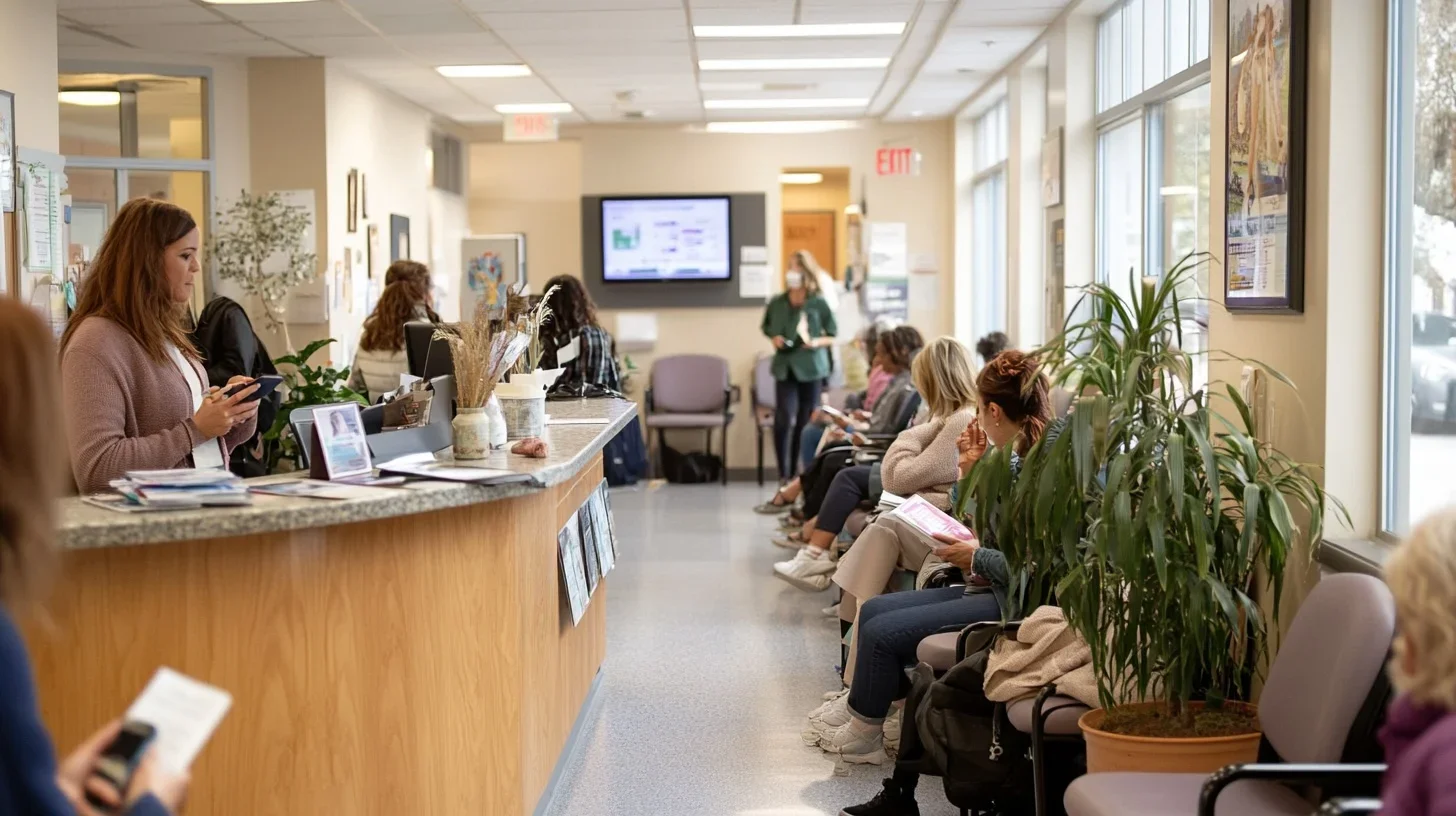
Long waits, rushed visits, and a doctor who doesn't know your name — sound familiar? Here are five signs your current primary care setup isn't meeting your needs anymore, and what to do about it.
Most of us don’t think much about our primary care experience until something feels off. Maybe it’s the three-week wait for an appointment. Maybe it’s the feeling of being rushed out the door before you’ve finished explaining why you came in. These frustrations are common - and they’re often signs that your current setup isn’t meeting your needs anymore.
Here are five signals that it might be time to rethink your primary care:
1. You Can’t Get an Appointment When You Need One
If scheduling a visit requires planning weeks in advance—or you find yourself going to urgent care for things your own doctor should handle—that’s a structural problem, not a scheduling fluke. Access is one of the most important things a primary care relationship should offer. In a concierge model, same- or next-day appointments are standard, not the exception.
2. Your Visits Feel Rushed
Fifteen minutes might be enough to refill a prescription, but it’s rarely enough to address the complex, layered health questions most adults have. If you leave appointments feeling like you didn’t get to ask everything you wanted—or like your doctor was already halfway out the door—that’s a sign the model isn’t built around your needs.
3. You’re Managing a Chronic Condition Without Enough Support
Conditions like thyroid disease, diabetes, high blood pressure, or anxiety require ongoing attention, not just periodic check-ins. If your care plan feels reactive rather than proactive—if you’re only addressing these things when something goes wrong—there’s room for a more hands-on approach.
4. You Feel Like a Number, Not a Person
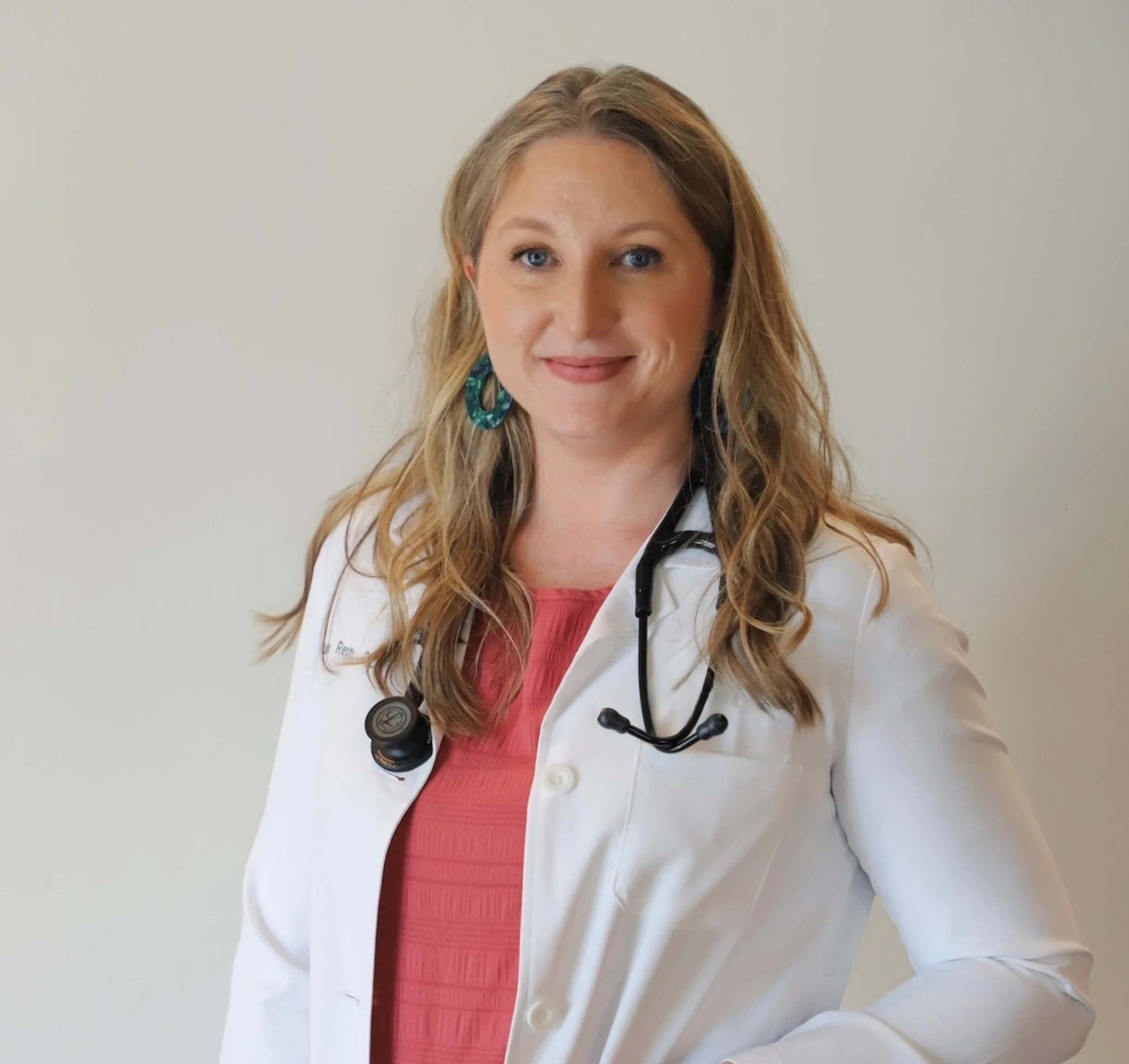
Healthcare works best when your doctor knows you: your history, your concerns, the way you describe things, and what matters most to you. If every visit feels like starting over, that lack of continuity can lead to gaps in care and a sense that nobody’s really steering the ship. Learn about Dr. Repine and the relationship-driven philosophy behind our practice.
5. Your Health Is Changing, and Your Care Hasn’t Kept Up
Life transitions—turning 40, entering perimenopause, taking on a high-stress role, becoming a caregiver—often come with new health needs. If your current practice doesn’t have the bandwidth or expertise to adapt with you, it may be time to look for one that does.
Recognizing these signs isn’t about blaming your current doctor. Most physicians are doing the best they can within a system that’s not designed around the patient. But you deserve care that’s built around you—and it exists.
If any of these resonated, we’d welcome a conversation about what a different kind of primary care could look like for you. Get in touch to schedule a discovery call.
Keep Exploring

Somewhere in a kitchen drawer is a sports physical form that was due yesterday. It's almost never because families aren't paying attention — it's because the back-to-school health system isn't built for how busy August actually is. Here's the checklist, the NC requirements, and the one timing mistake worth avoiding.

The gap isn't information. Patients already know they should move more, sleep better, and drink more water. What they don't have is a doctor with enough time to figure out why that advice hasn't worked for them specifically — or what's actually going on underneath it. That's not a wellness program. That's just what primary care is supposed to be.

A 10-year study tracked 955 women through their menopausal transition and found a clear pattern: hot flash reports peaked in July and dropped to their lowest point in January. Women had 66% greater odds of experiencing a hot flash at their summer peak. If this is the third or fourth summer in a row where the heat seems to be making things worse, that's not a coincidence worth continuing to manage alone.

Most people don't choose a large health system so much as inherit one. And most patients who leave don't do it because something dramatic went wrong — it's an accumulation. A visit that felt rushed. A call that took three days to return. A concern that got "let's watch it" instead of real time to talk it through. Here's what actually changes when you make the switch.

The trails at Umstead, the greenways along Bolin Creek, the weekend soccer tournaments at Homestead Park — Chapel Hill summers fill up fast. Then July arrives, the Piedmont heat settles in, and the conditions that produce heat illness, medication complications, and chronic condition drift are quietly at work. The families who navigate it well aren't the ones who read the most wellness content. They're the ones with a physician who actually knows them.

The last time you saw a doctor was for something specific. A sinus infection. A knee you rolled on a Saturday morning run. You weren't sick exactly — just busy. The way everyone is busy in a college town that runs on ambition, long commutes to Research Triangle Park, and the quiet understanding that your health can wait until the schedule opens up. Only the schedule never quite opens up.

Most people can describe exactly what they want from a family physician — access when something comes up, appointments that aren't rushed, a doctor who knows them over time. Most people also know, from experience, that this description doesn't match how healthcare usually works. Concierge medicine is a different model.

Women in their 40s and 50s are describing symptoms that have disrupted their sleep, clouded their thinking, and altered their mood — and leaving appointments without answers. The problem isn't that the symptoms are mysterious. The problem is that the standard healthcare system is structurally unprepared to connect the dots.

There is a particular household dynamic that plays out often in Chapel Hill. The kids are patients. The partner is a patient. Everyone has a physician who knows them. And the man of the household has a doctor listed in an app somewhere he hasn't actually seen in two years. That gap is worth closing.
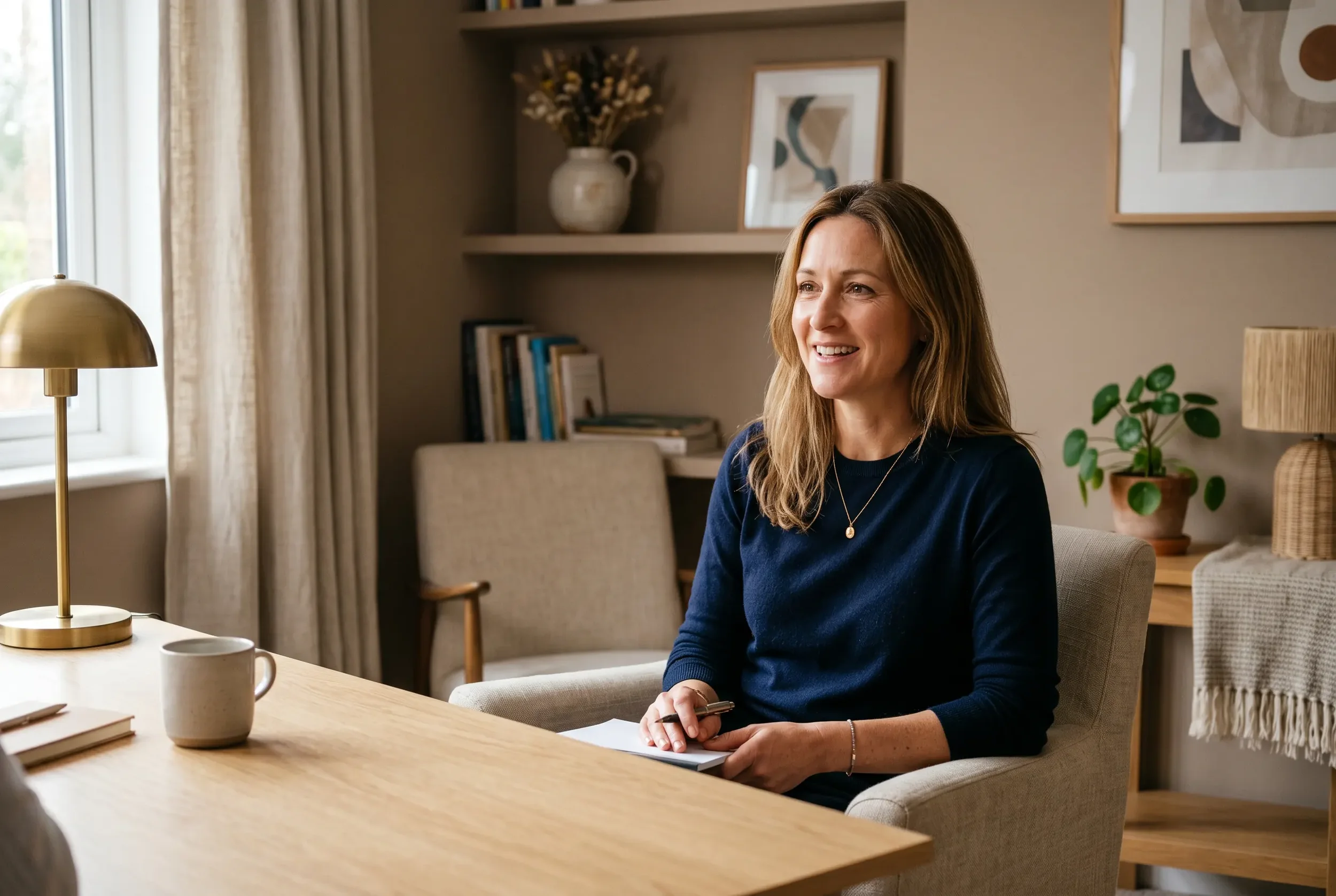
Up to 80% of misdiagnoses originate in the clinical encounter itself — not in lab error, not in imaging failure. The doctors who got it right listened longer and asked more questions. That is not a soft skill. It is a clinical one. And it requires time that most practices simply cannot give you.

Most people have stopped expecting anything different from primary care — the three-week wait, the 12-minute appointment, the referral that doesn't quite answer the question. Dr. Claire Repine is building something different in Chapel Hill, and it opens this April.
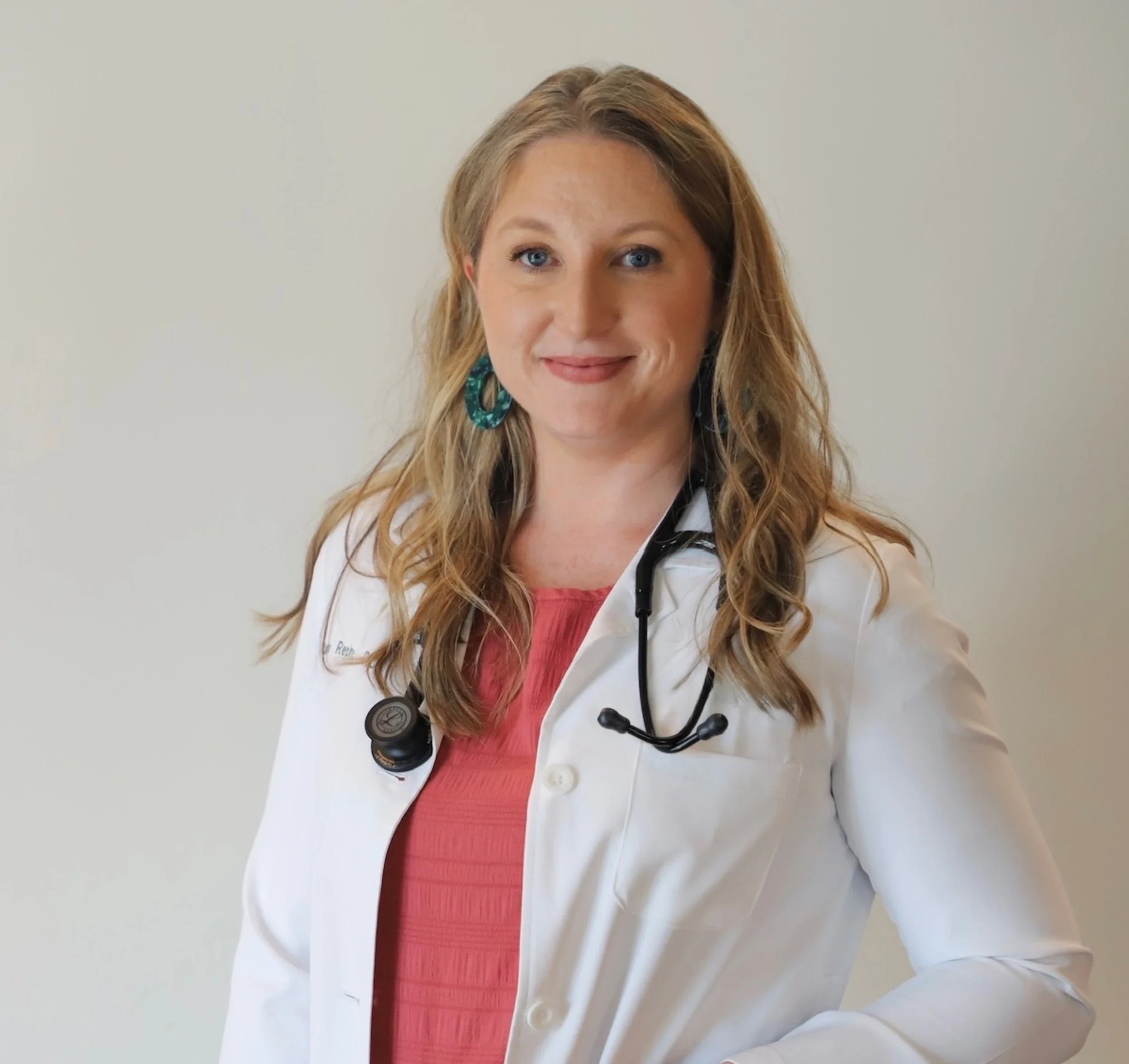
Only about 8% of adults actually receive the preventive services recommended for them — not because they don't care, but because the system makes it genuinely hard. Dr. Repine is opening Concierge Medicine of Chapel Hill this April with a different premise entirely: what if your doctor actually had time for you?
Most women don't see perimenopause coming — and then they go to their doctor and get told everything looks fine. The gap between what women are experiencing and the care they're receiving is exactly what this practice is built to close. Here's what perimenopause actually looks like, and what real support can feel like.

About 40% of men only go to the doctor when something has already gone wrong. The conditions most likely to shorten a man's life — heart disease, diabetes, hypertension — don't announce themselves. They build quietly, over years. Here's what it looks like when someone is actually keeping track.
Up to 70% of women experience significant sleep disruption during menopause. Two-thirds report memory complaints. And most spend months — sometimes years — being told everything looks fine. Here's what midlife actually feels like, and what it looks like when a provider finally takes it seriously.

Most people don't think about their health until something goes wrong. Proactive care flips that script — identifying risk early and building habits that protect you for the long term. Here's why prevention is the foundation of everything we do.

A yearly Pap smear barely scratches the surface. Women's health needs shift at every stage of life, and your care should too. Here's what a whole-person approach looks like — from your 20s through menopause and beyond.

Perimenopause can start earlier than most women expect, and the symptoms go far beyond hot flashes. Here's what to watch for, why the timing of treatment matters, and what to look for in a menopause-informed provider.

Specialists see one piece. Your family medicine doctor sees the whole picture. Here's why a continuous relationship with a generalist leads to better outcomes — and how osteopathic care adds another layer.
Long waits, rushed visits, and a doctor who doesn't know your name — sound familiar? Here are five signs your current primary care setup isn't meeting your needs anymore, and what to do about it.

Concierge medicine is growing fast, but there's still a lot of confusion about what it actually looks like. Here's how the membership-based model works, what to expect from a typical visit, and why it might be the right fit for your health.