The Case for Proactive Health: Why Prevention Is the Best Medicine

Most people don't think about their health until something goes wrong. Proactive care flips that script — identifying risk early and building habits that protect you for the long term. Here's why prevention is the foundation of everything we do.
Most people don’t think about their health until something goes wrong. A worrying lab result, a new symptom, a scare that sends them to the ER—these are the moments that tend to prompt action. But by that point, we’re often playing catch-up.
Preventive care flips this script. Instead of waiting for disease to announce itself, proactive health means identifying risk early, building habits that protect you over time, and using evidence-based tools to keep your body functioning well—not just in the absence of illness, but in the pursuit of genuine vitality.
What Prevention Actually Looks Like
Prevention is more than an annual physical and a flu shot. It’s a thorough review of your personal and family health history to understand your unique risk profile. It’s age-appropriate cancer screenings, cardiovascular risk assessment, metabolic health monitoring, and bone density evaluation—each one timed and tailored based on your specific circumstances. Our Membership & Services page outlines the preventive care included in every membership.
It also means looking at the things that don’t always show up on a lab panel: how you’re sleeping, how you’re managing stress, what your nutrition and movement patterns look like, and whether your current habits are aligned with where you want to be in 10 or 20 years.
Why the Concierge Model Is Built for Prevention
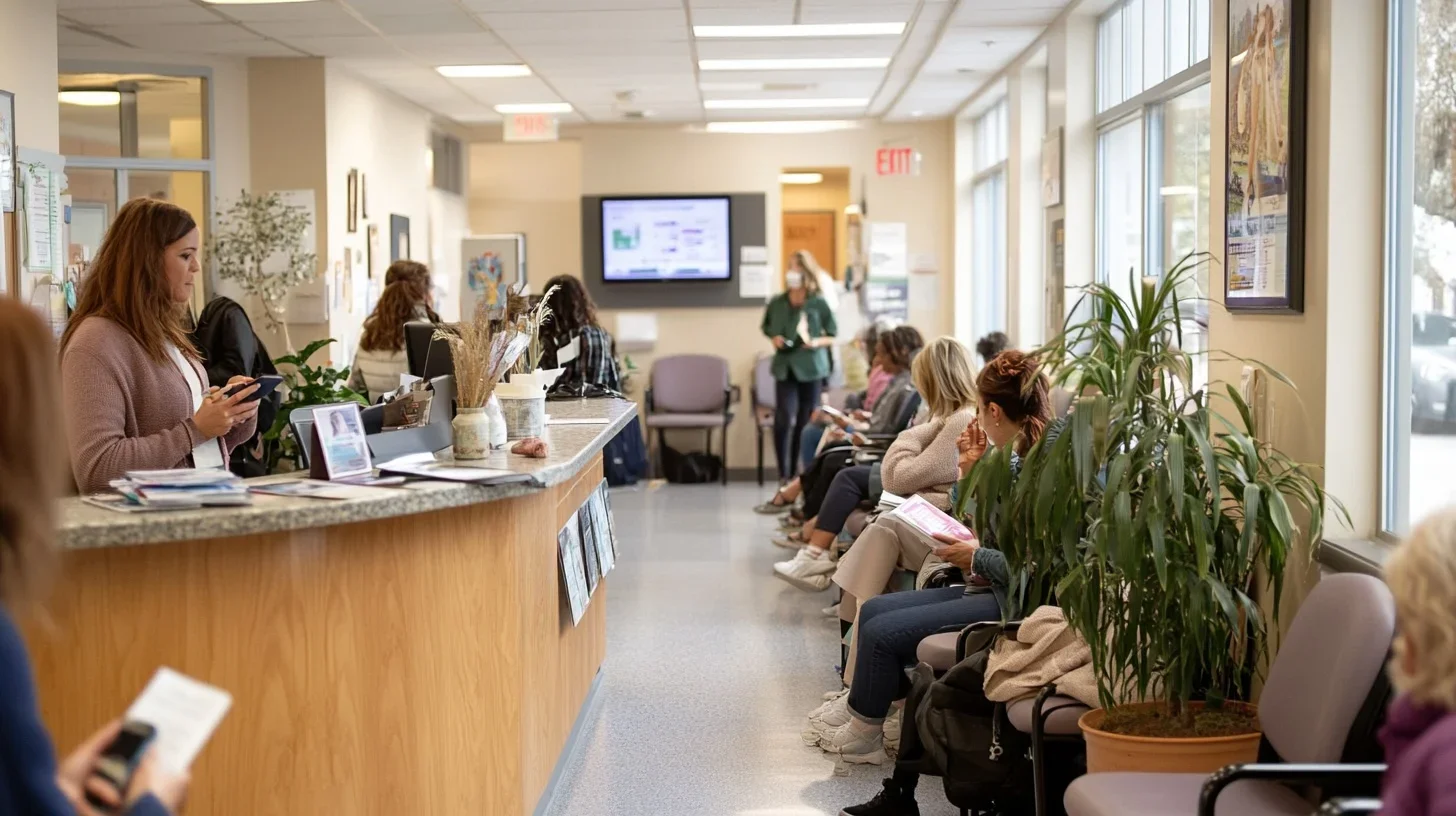
Preventive care takes time—time to review results carefully, time to explain what they mean, and time to build a plan you’ll actually follow. In a traditional primary care setting, where physicians are seeing 20 to 30 patients a day, that kind of time simply doesn’t exist.
In a concierge practice, prevention isn’t an afterthought. It’s the foundation. With longer appointments, smaller patient panels, and direct access to your physician, we can be genuinely proactive—catching trends before they become problems, adjusting plans in real time, and making sure nothing falls through the cracks. Curious how this differs from traditional care? Our FAQ section answers the most common questions.
Small Investments, Big Returns
The evidence is clear: early detection and consistent preventive care save lives. Catching high blood pressure before it damages your heart, identifying prediabetes before it becomes diabetes, or screening for cancer at the stage when it’s most treatable—these are the moments that change outcomes.
But prevention isn’t just about avoiding disease. It’s about protecting your energy, your mobility, your mental clarity, and your ability to live fully. It’s about building a health foundation that supports the life you want—now and decades from now.
Start Where You Are
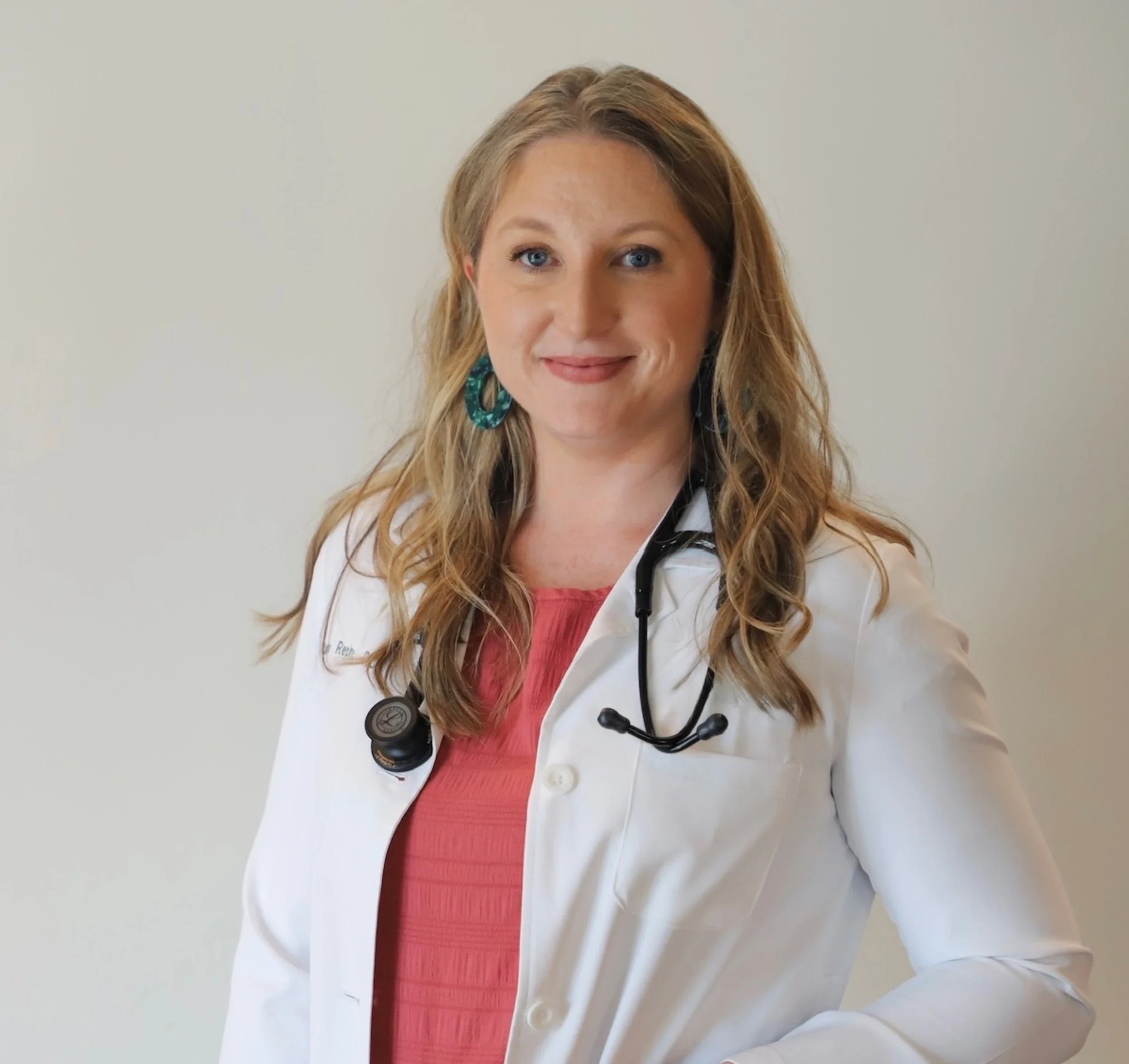
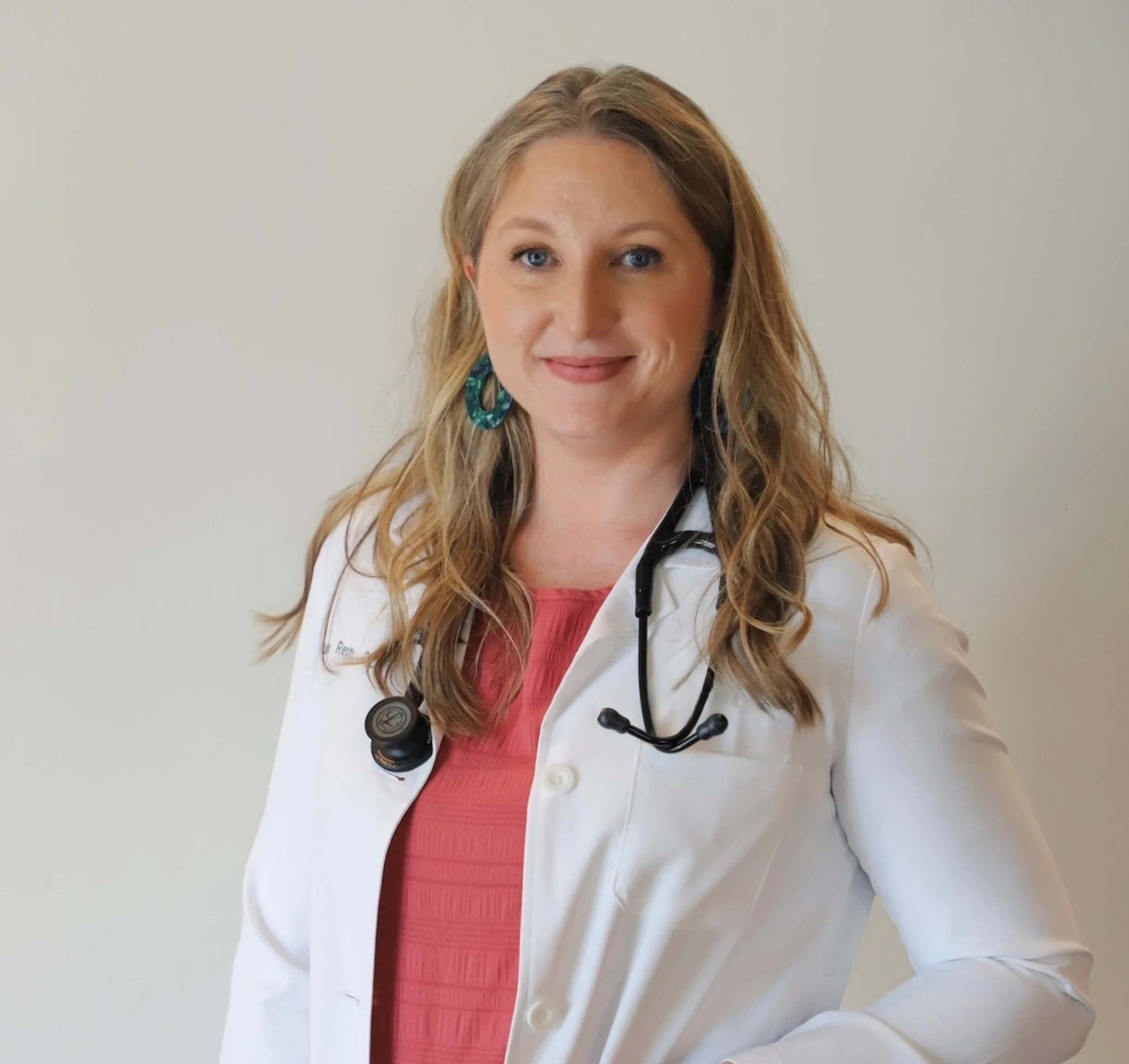
You don’t need to overhaul everything at once. Proactive health starts with an honest conversation about where you are, what your risk factors look like, and what realistic steps you can take to move in the right direction. That’s the kind of conversation our practice was built for. Learn more about Dr. Repine and the philosophy behind our approach.
Ready to invest in your long-term health? Schedule a discovery call. We’ll talk about your goals, your health history, and how we can partner to keep you well.