What Osteopathic Medicine Adds When You Are Living With Pain

Research on 8.1 million primary care visits found that shorter appointments were associated with more potentially inappropriate prescribing — including a measurable increase in opioid and benzodiazepine coprescribing as visit time went down. Time in the room is not a comfort feature. It's a clinical variable. Here's what changes when a physician actually has time to put hands on the problem.
Last updated: September 2026
If you have been carrying back pain, neck tension, recurring headaches, or the low-grade ache that comes from sitting at a desk for nine hours a day, you have probably already had the ten-minute version of this conversation. You described the pain, no one put hands on you, and you left with a prescription and a referral. This post is for the patient who wants to understand what osteopathic manipulative treatment (OMT) actually is, what happens during a treatment, and where hands-on care fits alongside conventional medical management. September is Pain Awareness Month, which makes it the perfect time to talk about the part of pain care that often gets skipped.
Pain Is More Common Than the Visit Length Suggests
In 2023, the CDC reported that 24.3% of U.S. adults reported chronic pain in the past three months, and 8.5% reported high-impact chronic pain that frequently limited their work or life activities. That is roughly one in four adults living with persistent pain, and close to one in twelve whose pain is actively reshaping what they can do.
Research published in JAMA Health Forum in 2023 examined 8.1 million primary care visits and found that shorter visits were associated with more potentially inappropriate prescribing, including a measurable increase in opioid and benzodiazepine coprescribing as visit time went down. Time in the room is not a comfort feature but an important clinical variable.
What a DO Actually Is
The short answer: a DO is a fully licensed physician with the same licensing exams, residency system, prescribing authority, and hospital privileges. There are now approximately 167,216 DOs in active practice in the United States, representing roughly 11% of all U.S. physicians, per the American Osteopathic Association's 2025 profession report.
The difference is what training is added, not what is substituted. Osteopathic medical school includes training in the musculoskeletal system as a diagnostic window and includes several hundred hours of hands-on manipulative technique. A DO with board certification in osteopathic manipulative medicine carries two toolkits into the exam room instead of one:
Conventional medical management. Imaging, labs, medication, referrals to physical therapy or orthopedics, and everything else you would expect from a primary care physician.
Osteopathic structural evaluation and treatment. A physical assessment of how the joints, muscles, and connective tissue are actually moving, followed by hands-on treatment when appropriate.
Most patients never encounter the second toolkit, simply because most physicians in this market do not offer it. That is not a knock on anyone or their expertise. It is just a difference in training.
What OMT Is, in Plain Terms
OMT is a set of hands-on techniques a physician uses to evaluate and address restricted movement, muscle tension, and asymmetry in the musculoskeletal system. It is used to support the body's own mechanics, reduce strain patterns, and improve range of motion. However, it is not a cure, a substitute for medical care, or appropriate for every presentation.
Common reasons patients in my practice ask about it:
Low back pain that has become a continuous background condition rather than a one-off episode
Neck and upper back tension tied to posture, desk work, or carrying young children
Tension-type headaches with a clear cervical or upper thoracic component
Rib and mid-back restriction that shows up as a breathing or stretching limitation
Postural strain during pregnancy and postpartum recovery
What a Treatment Actually Feels Like
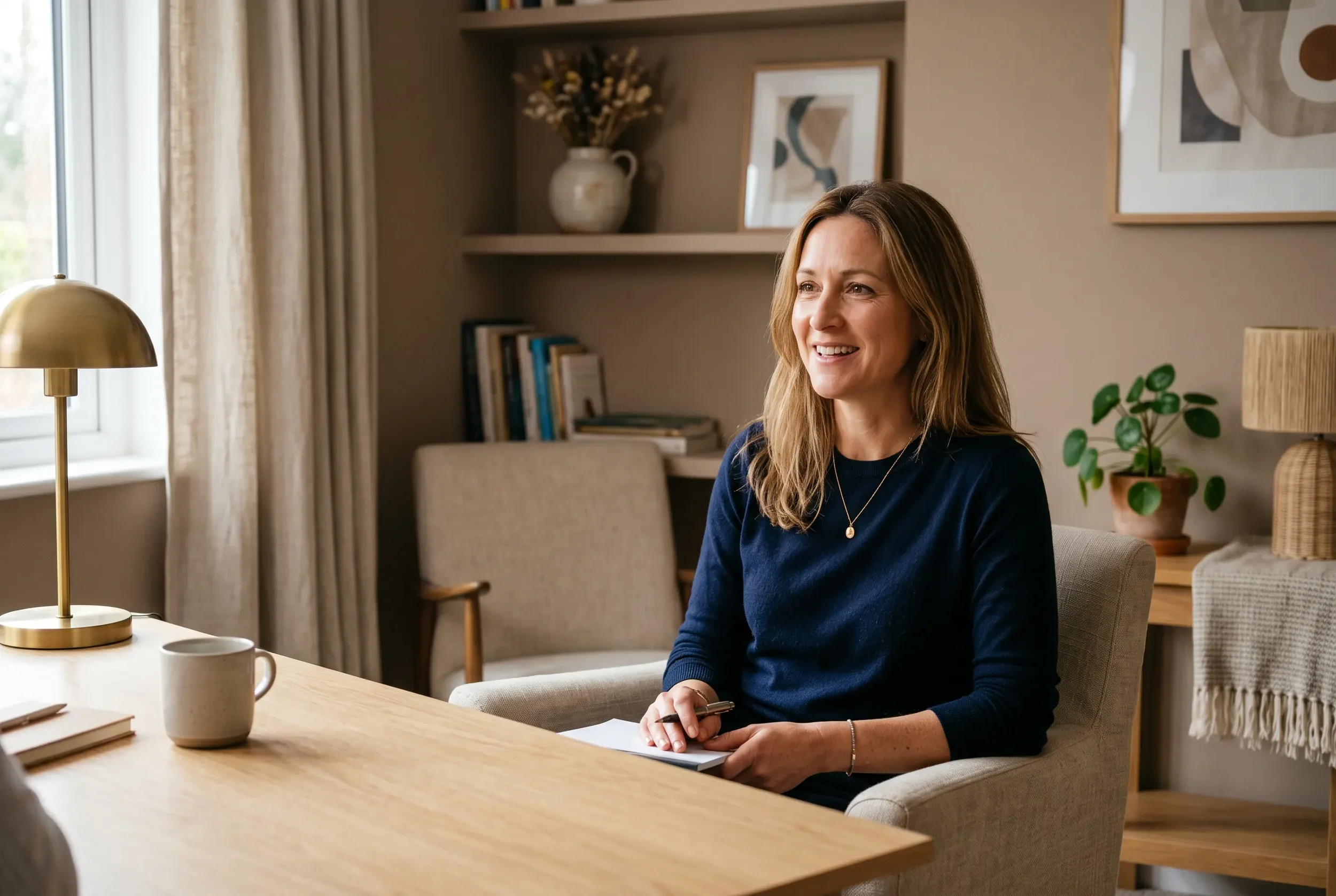
During treatment, you stay clothed in comfortable clothes you can move in. The visit starts with conversation, because I need to know what makes it worse, what makes it better, what your day physically looks like, and what you have already tried. Then I examine you, which means putting my hands on your back, neck, hips, or ribs and assessing how those segments move actively and passively.
Treatment itself varies. Some techniques are slow and sustained with gentle pressure held on a muscle or joint while you breathe. Some involve me positioning a limb and asking you to push against my hand for a few seconds then relaxing. Some involve a quick, low-amplitude movement of a joint. This movement is the technique most people associate with an audible pop, but that sound is not required for the treatment to work. If you do not want that technique (or any technique), we do not use it. You are fully conscious, participating, and able to say stop at any point.
Afterward, most patients feel looser, and some feel mildly sore for a day or two, similar to how you feel after a new workout. I usually send people home with two or three specific things to do between visits, because what happens in the other 167 hours of the week matters more than the 30 minutes in my office.
“Patients often tell me the most unfamiliar part of the appointment was not the treatment. It was being physically examined at all. Before we talk about what to do for the pain, I want to know how the area is actually moving.”
Where OMT Fits Alongside Medical Management
OMT is complementary, sitting alongside the medical evaluation but not replacing it. When a patient comes to me with new back pain, my first job is still the medical one, ruling out anything that needs imaging or urgent attention. I also review medications, screen for the systemic issues that can present as musculoskeletal pain, and consider whether physical therapy, strength work, or a specialist referral belongs in the plan.
What OMT changes is the number of options on the table at that first visit. Instead of choosing between medication and a referral, the conversation can include a hands-on treatment we can try during the same appointment and reassess at the next one.
For patients searching for back pain treatment without medication in Chapel Hill, this is a good place to start. With that being said, preferring a non-pharmaceutical path is a legitimate clinical preference, not a difficult request, and it also does not mean medication is off the table permanently. The goal is a plan built on your actual presentation, not on whichever tool the schedule allowed time for.
What the Evidence Does and Does Not Say
Let me give you an accurate picture of what evidence shows us.
The American College of Physicians' clinical practice guideline for low back pain, published in Annals of Internal Medicine, recommends that clinicians and patients begin with non-drug therapy for acute, subacute, and chronic low back pain. It names spinal manipulation among the recommended first-line options with medication after.
A systematic review and meta-analysis by Franke and colleagues in BMC Musculoskeletal Disorders pooled 15 randomized controlled trials covering 1,502 participants. They found clinically relevant effects of OMT on pain reduction and functional status in nonspecific low back pain, with the authors noting that larger and higher-quality trials are still needed.
So what do these tell us? OMT is supported enough to be a guideline-consistent option, but not so definitively established that anyone should promise you a definite result. Individual response varies, and I will tell you within a few visits whether this is helping you specifically.
Why Visit Length Is the Whole Ballgame
You can't squeeze a full evaluation and treatment into a fifteen-minute slot that also has to cover your blood pressure, labs, and refill list. That is the practical reason most primary care physicians trained in OMT st perfor’t perform it routinely.
Concierge membership makes it available at a primary care practice rather than as a separate specialty referral. Longer appointments mean the hands-on portion is part of your visit instead of a reason to send you somewhere else, and it means we can adjust the plan in real time rather than at a follow-up six weeks out. I have written more about why longer visits change outcomes and about what concierge medicine in Chapel Hill actually looks like day to day. For patients navigating midlife musculoskeletal changes alongside hormonal ones, our perimenopause and hormone content covers how those pieces connect.
Questions Worth Bringing to Your Next Appointment
If you are living with pain and are not sure your current plan has been fully thought through, these are the questions I would want you to ask any physician, mine included:
Has anyone physically examined the area, or has the current plan been built entirely from my description of it?
What are the non-pharmaceutical options for my specific presentation, and what would we try first?
If we try a hands-on approach, how will we know in a few weeks whether it is working?
What is my role between appointments, specifically?
What would change your mind about this plan, and what would make you refer me on?
You do not need to have decided anything to ask those questions. You just need a visit long enough to get through them.
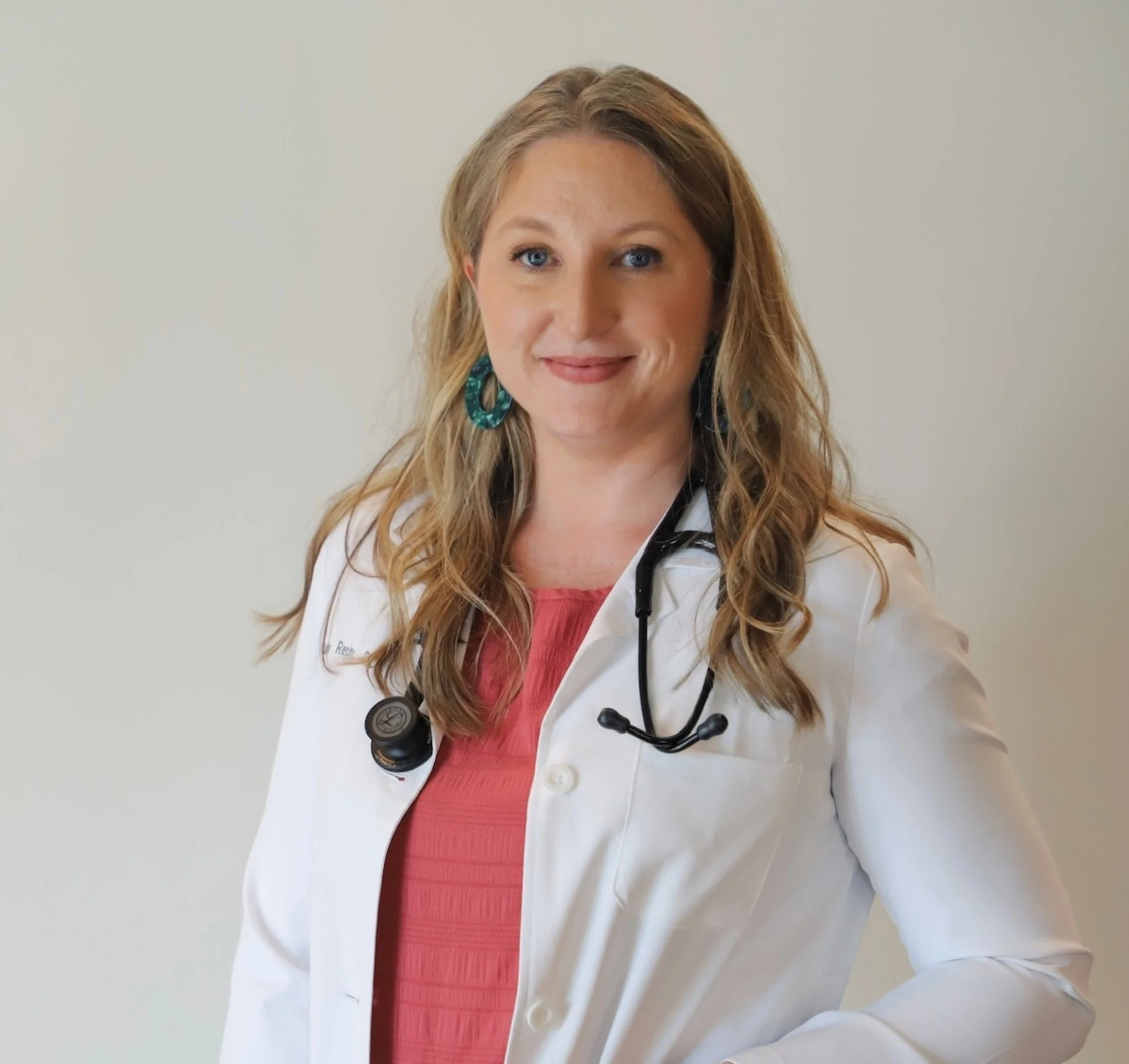
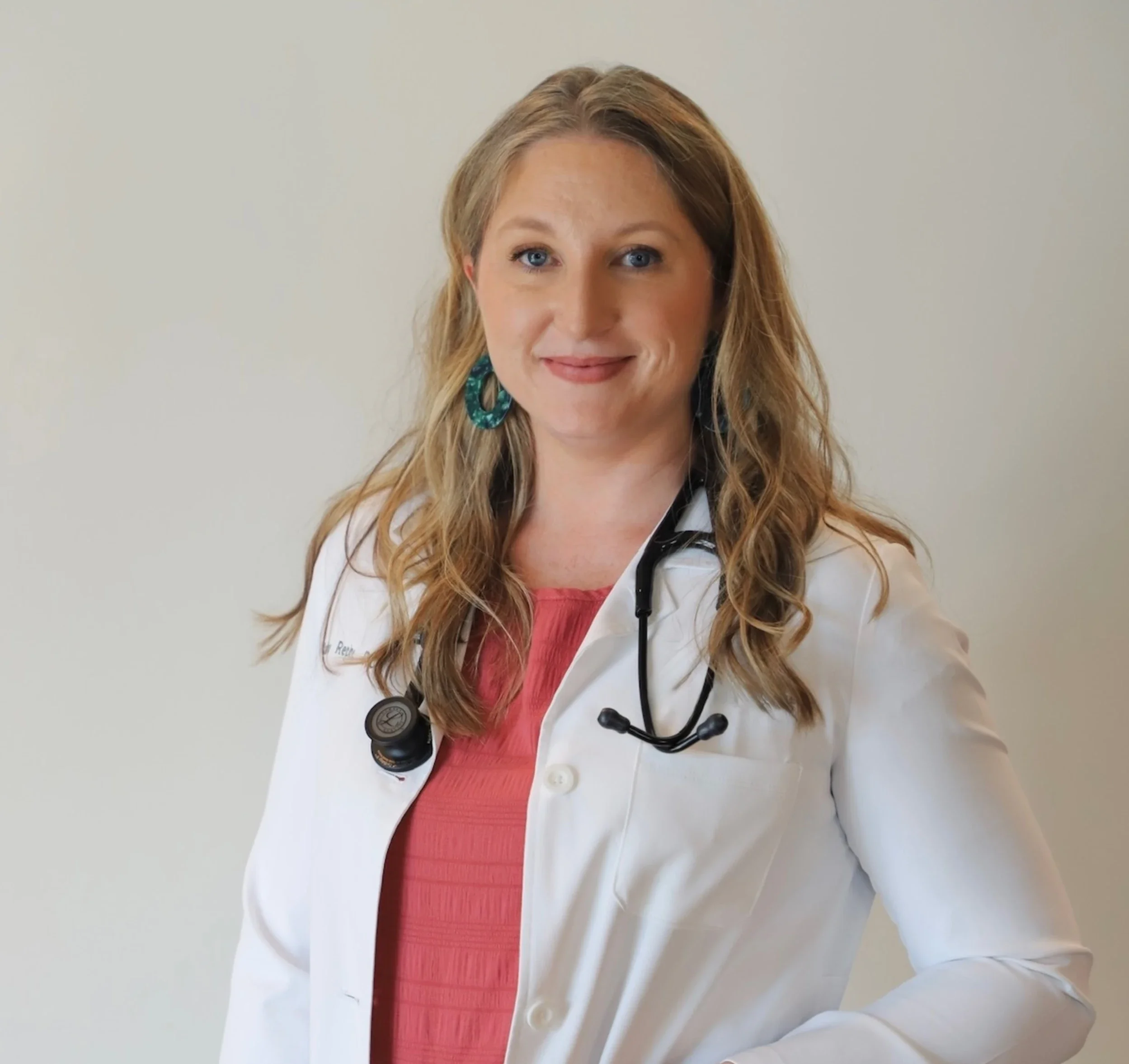
To learn how membership works at Concierge Medicine of Chapel Hill, see our Membership and Services page, or call the practice at 919-827-0009 to schedule a meet-and-greet with Dr. Repine.