Men, This One Is for You Too

About 40% of men only go to the doctor when something has already gone wrong. The conditions most likely to shorten a man's life — heart disease, diabetes, hypertension — don't announce themselves. They build quietly, over years. Here's what it looks like when someone is actually keeping track.
Last updated: March 2026
There is a well-worn joke that the fastest way to get a man to avoid something is to tell him it is good for him. And while that lands, it also points to something real. Men in this country are significantly less likely than women to have a primary care doctor, less likely to schedule a physical, and far more likely to show up in an emergency room with a condition that could have been managed months or years earlier if anyone had caught it in time.
That is not a character flaw. It is a pattern shaped by decades of messaging that told men to tough it out, a healthcare system that rewards speed over thoroughness, and a culture that treats asking for help as a liability. The result is that a lot of men are walking around with blood pressure, cholesterol, or blood sugar numbers that nobody has looked at recently, and they feel fine, so why would they know?
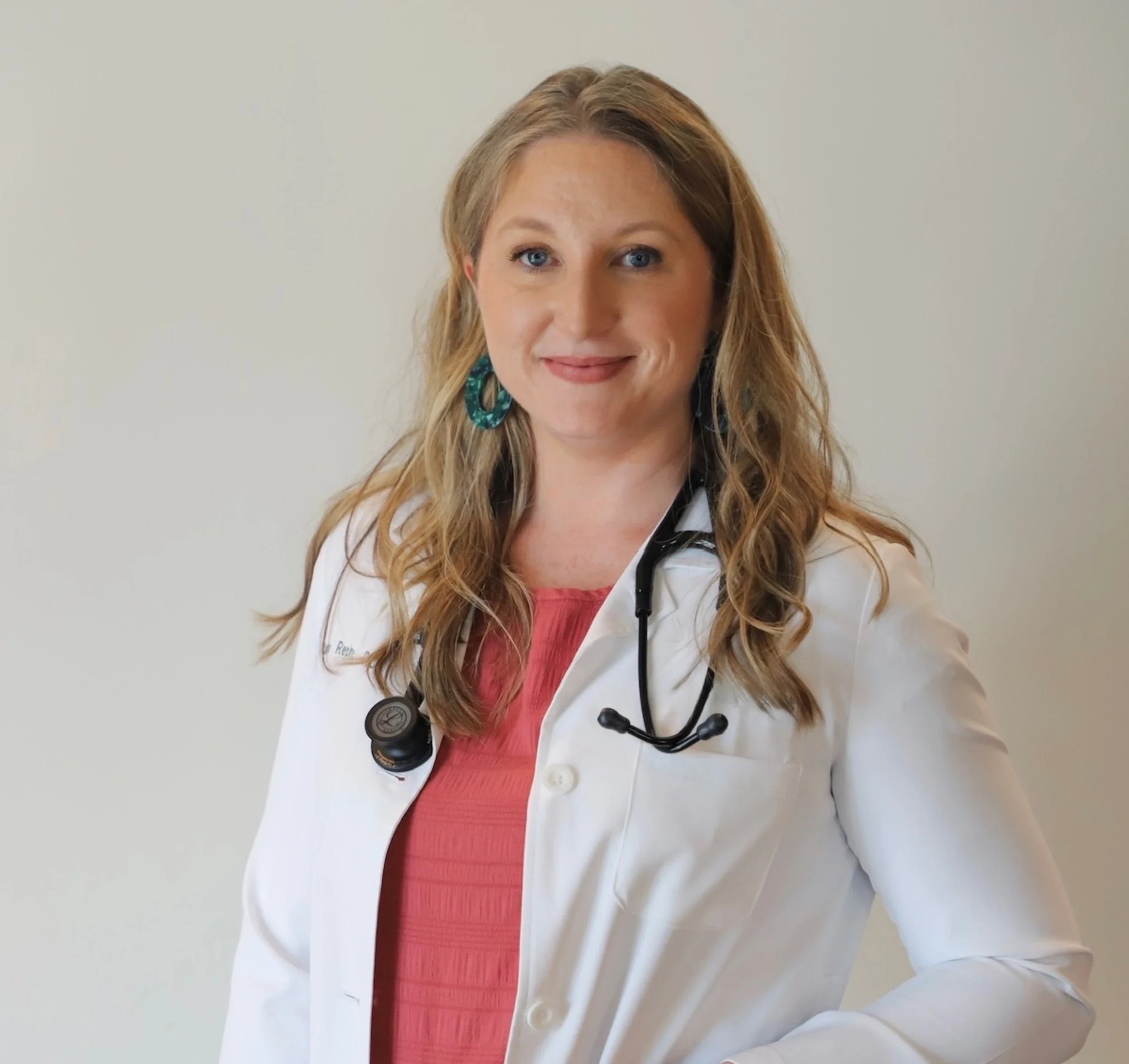
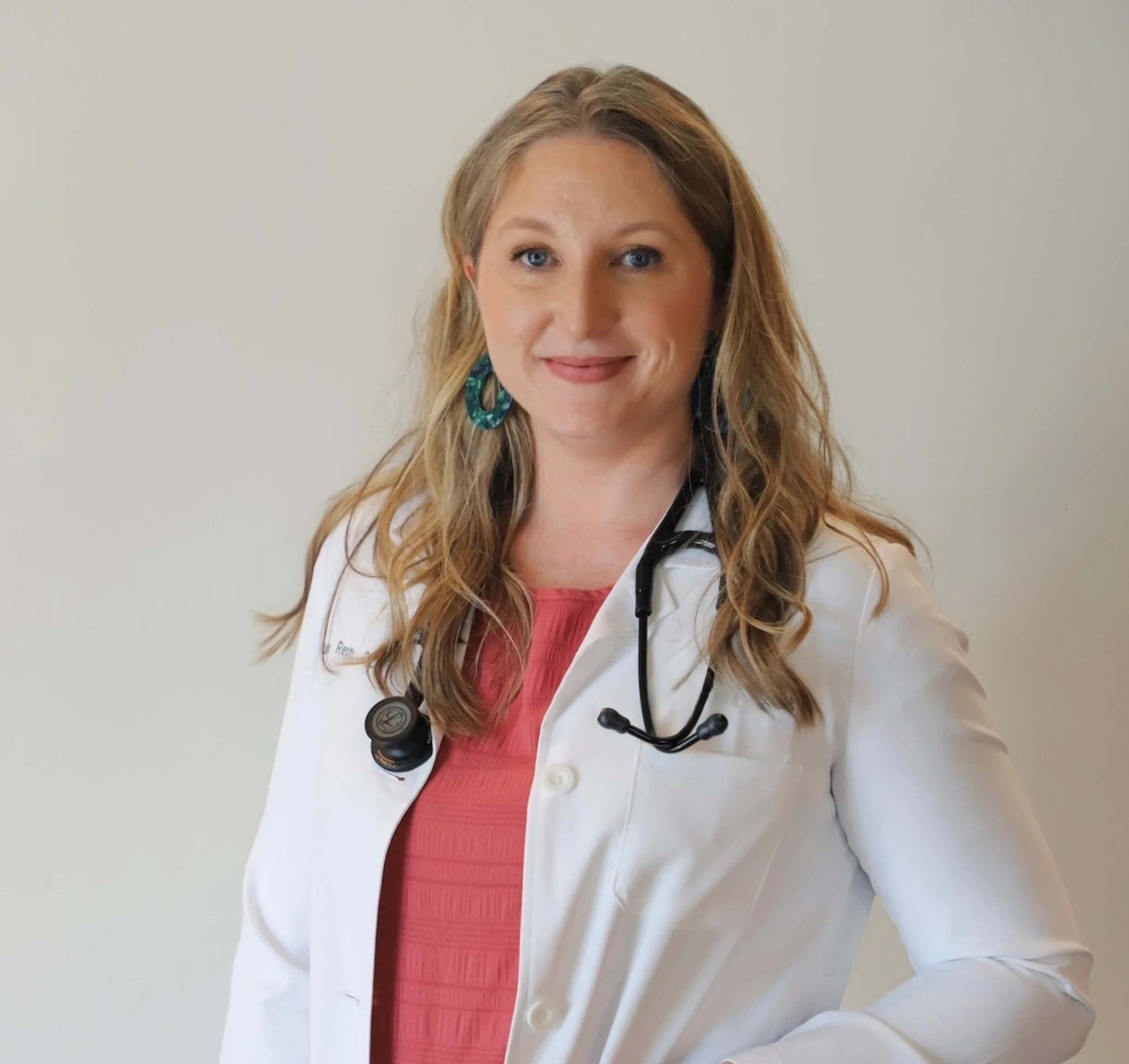
At Concierge Medicine of Chapel Hill, Dr. Claire Repine, DO, MSCP, is building a practice rooted in the belief that good healthcare is not a conversation limited to women. While her specialty training runs deep in women's health, her board-certified family medicine background and osteopathic approach mean she is equipped and genuinely invested in caring for the whole family, including the men who have been quietly hoping someone would finally just take the time.
The Numbers Are Not Reassuring
About 40% of men only go to the doctor when something has already gone wrong. Not for a checkup. Not to get ahead of anything. Only when there is a problem can they ignore it no longer. Another 20% admit they are not fully honest with their doctors when they do show up, usually because they are embarrassed or because they have already decided in the car ride over what they are and are not going to bring up.
Meanwhile, the conditions that are most likely to shorten a man's life, heart disease, diabetes, hypertension, and colorectal cancer, are all conditions where early detection changes the outcome dramatically. They do not announce themselves with dramatic symptoms. They build quietly, over the years, until something gives.
The men who end up in the best shape in their 50s and 60s are generally the ones who started paying attention in their 30s and 40s. Not because they were worried. Because someone in their corner was keeping track.
What Preventive Care for Men Actually Looks Like
Preventive care is not a lecture about lifestyle choices. It is not a rushed 12-minute appointment where someone takes your blood pressure, types something into a screen, and sends you on your way. Done well, it is a real conversation about where you are, what runs in your family, what your numbers look like today versus six months ago, and what you actually want your health to look like ten years from now.
For most men, that conversation should include blood pressure monitoring starting in their 20s. Hypertension rarely causes obvious symptoms, which is exactly why it gets missed. Cholesterol screening matters too, beginning around age 20, with more frequent checks for anyone with a family history of cardiovascular disease. Diabetes screening typically begins in the 30s, and given how common prediabetes has become, knowing where you stand before it progresses is genuinely useful information.
Colorectal cancer screening now starts at 45. Prostate cancer screening conversations generally begin at 50, or earlier, with family history. And mental health deserves a spot in that lineup too. Men die by suicide at four times the rate of women, and the gap in mental health conversations in primary care settings is not something that should be acceptable to anyone.
None of this is meant to be alarming. It is meant to be practical. These are the things worth knowing, and they are all significantly easier to address when caught early.
Why the Concierge Model Works Differently Here
One of the most common reasons men skip the doctor is that the logistics are genuinely terrible. You call, you wait three weeks for an opening, you sit in the waiting room for 45 minutes, you see someone who is clearly running behind and does not have time to go deep on anything, and you leave feeling like you accomplished nothing. The incentive to repeat that experience is low.
The concierge medicine model that Dr. Repine is building at Concierge Medicine of Chapel Hill does not work that way. Membership means same-day or next-day appointments. It means direct access to Dr. Repine by phone or text, not a callback from someone at a call center. It means appointments that are long enough to actually cover what needs to be covered, without anyone watching the clock.
For men who travel frequently, work demanding schedules, or have never found a doctor they actually wanted to see regularly, that kind of access changes the calculation. The barrier to picking up the phone and asking a question drops to nearly zero. And because Dr. Repine gets to know her patients over time rather than treating each visit as a standalone encounter, she can notice things, patterns, changes, and concerns that would never surface in a 15-minute once-a-year appointment.
Her osteopathic training adds a layer worth mentioning for any man dealing with the physical toll of demanding work, athletics, or just the accumulated wear and tear of a busy life. Osteopathic manipulative treatment is a hands-on approach to pain, tension, and musculoskeletal issues that addresses root causes rather than just managing symptoms. It is not unusual for a patient who came in for a blood pressure check to leave with some relief from the back pain they had stopped mentioning because it felt like a separate conversation.
Everything is connected. Good primary care operates like that.
The Part About Honesty
There is a real and documented pattern of men not being fully truthful with their doctors and not lying exactly, more like editing. Downplaying symptoms, skipping over things that feel embarrassing, framing things as better than they are, because they do not want to deal with whatever the answer might be.
That tendency makes sense in a healthcare environment where you have known your doctor for 12 minutes, and the whole appointment is on the clock. It makes less sense when you have a physician who is actually invested in your health over the long term, who is not going to rush past the thing you almost mentioned, and who has built their practice around the idea that patients deserve to feel heard.
Sexual health, mental health, and family history, you have been putting off thinking about, the thing that has been happening for six months, that you have been attributing to stress. These are the conversations that belong in a primary care appointment. They are also the conversations that rarely happen unless the patient feels safe having them.
Dr. Repine built her practice philosophy around that kind of trust. It is not incidental to her approach. It is the point.
Opening in April 2026 in Chapel Hill
Concierge Medicine of Chapel Hill is accepting new patients ahead of its April 2026 opening. Dr. Repine's practice is built for families and individuals in the Chapel Hill area who are ready for a different relationship with their healthcare, one that is unhurried, personalized, and actually accessible.
If you have been meaning to establish care with a primary care physician for a while now, or if you have a doctor but have never felt like there was enough time to cover what actually matters to you, this is worth a conversation.
Call 919-827-0009 or visit chapelhillcm.com to learn more and get on the list.