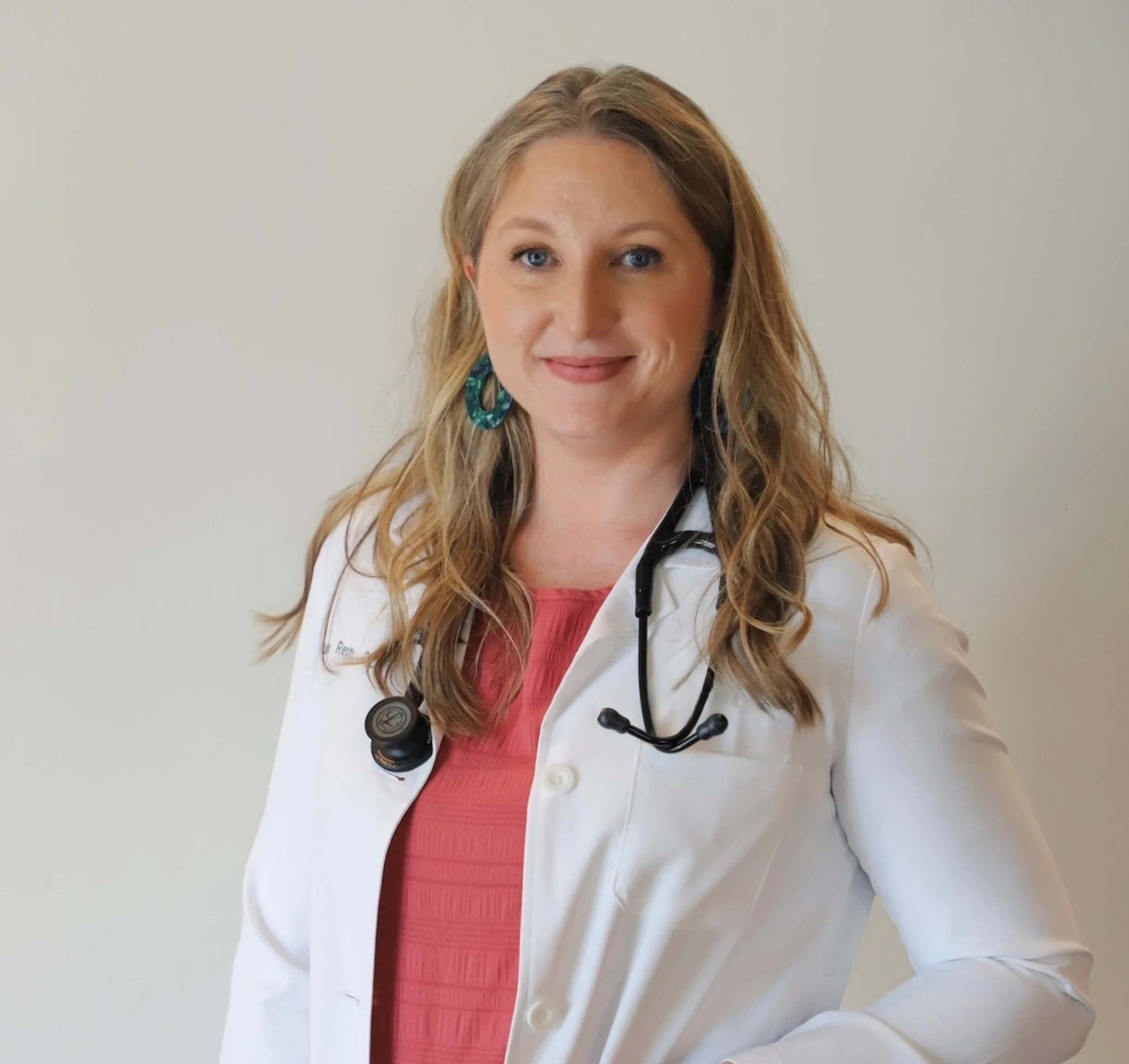
Why a Family Medicine Doctor Is the Best Foundation for Your Health

Specialists see one piece. Your family medicine doctor sees the whole picture. Here's why a continuous relationship with a generalist leads to better outcomes — and how osteopathic care adds another layer.
In a world of specialists, apps, and on-demand urgent care clinics, it’s easy to lose sight of one of the most valuable things in healthcare: a doctor who knows you well and can see the big picture.
That’s exactly what family medicine is designed to do. Family physicians are trained to care for patients across the full spectrum of adulthood—from routine wellness visits and acute illness to chronic disease management and everything in between. We’re generalists, and that’s not a limitation. It’s a strength.
The Value of a Generalist
When you see a cardiologist, they focus on your heart. An endocrinologist focuses on your hormones. A dermatologist focuses on your skin. Each of these specialists plays a role—but someone needs to understand how all these pieces connect.
That’s the family medicine physician. We look at the full picture: how your sleep is affecting your blood pressure, how your stress is showing up in your gut, how a medication for one condition may be causing symptoms in another area. This kind of longitudinal, whole-person perspective often catches things that a specialist appointment might miss.
Continuity Matters More Than You Think
Research consistently shows that patients who have a continuous relationship with a primary care physician have better health outcomes. They’re more likely to receive recommended preventive screenings, more likely to manage chronic conditions well, and less likely to end up in the emergency room.
But beyond the data, continuity changes the quality of the relationship. When your doctor knows your history, your family dynamics, your work stress, and your health goals, every conversation builds on the last one. You don’t have to start from scratch each time. And your doctor can pick up on subtle changes—things that might look normal on paper but represent a real shift for you.
Family Medicine and Osteopathic Care
As an osteopathic family physician, I bring an additional layer to this work. Osteopathic medicine emphasizes the connection between the body’s structure and its function, and it trains physicians to use hands-on techniques alongside conventional medical treatment. This means I can often address musculoskeletal pain, tension, and alignment issues right in the office—without the need for a separate referral. You can read more about my training and background on my About page.
It’s one more way that family medicine can serve as a true home base for your health—comprehensive, coordinated, and grounded in the belief that every system in your body is connected.
Your Health Deserves a Home Base
Specialists are important. Urgent care has its place. But neither can replace the value of a physician who knows you over time, coordinates your care across all the moving pieces, and is genuinely invested in helping you stay well—not just treating you when you’re sick. Take a look at our services and membership options to see how we structure ongoing care.
Looking for a primary care physician who takes the time to know you? Reach out to schedule a discovery call.
Keep Exploring
Cardiovascular disease causes roughly one in three deaths among women each year — more than all forms of cancer combined. And yet the share of women who recognize it as their leading health risk has been falling for over a decade. For women in their forties and fifties, the menopause transition is a distinct window of accelerating risk. Here's what the standard lipid panel doesn't tell you, and what's worth asking about.

Research on 8.1 million primary care visits found that shorter appointments were associated with more potentially inappropriate prescribing — including a measurable increase in opioid and benzodiazepine coprescribing as visit time went down. Time in the room is not a comfort feature. It's a clinical variable. Here's what changes when a physician actually has time to put hands on the problem.

Somewhere in a kitchen drawer is a sports physical form that was due yesterday. It's almost never because families aren't paying attention — it's because the back-to-school health system isn't built for how busy August actually is. Here's the checklist, the NC requirements, and the one timing mistake worth avoiding.
The gap isn't information. Patients already know they should move more, sleep better, and drink more water. What they don't have is a doctor with enough time to figure out why that advice hasn't worked for them specifically — or what's actually going on underneath it. That's not a wellness program. That's just what primary care is supposed to be.
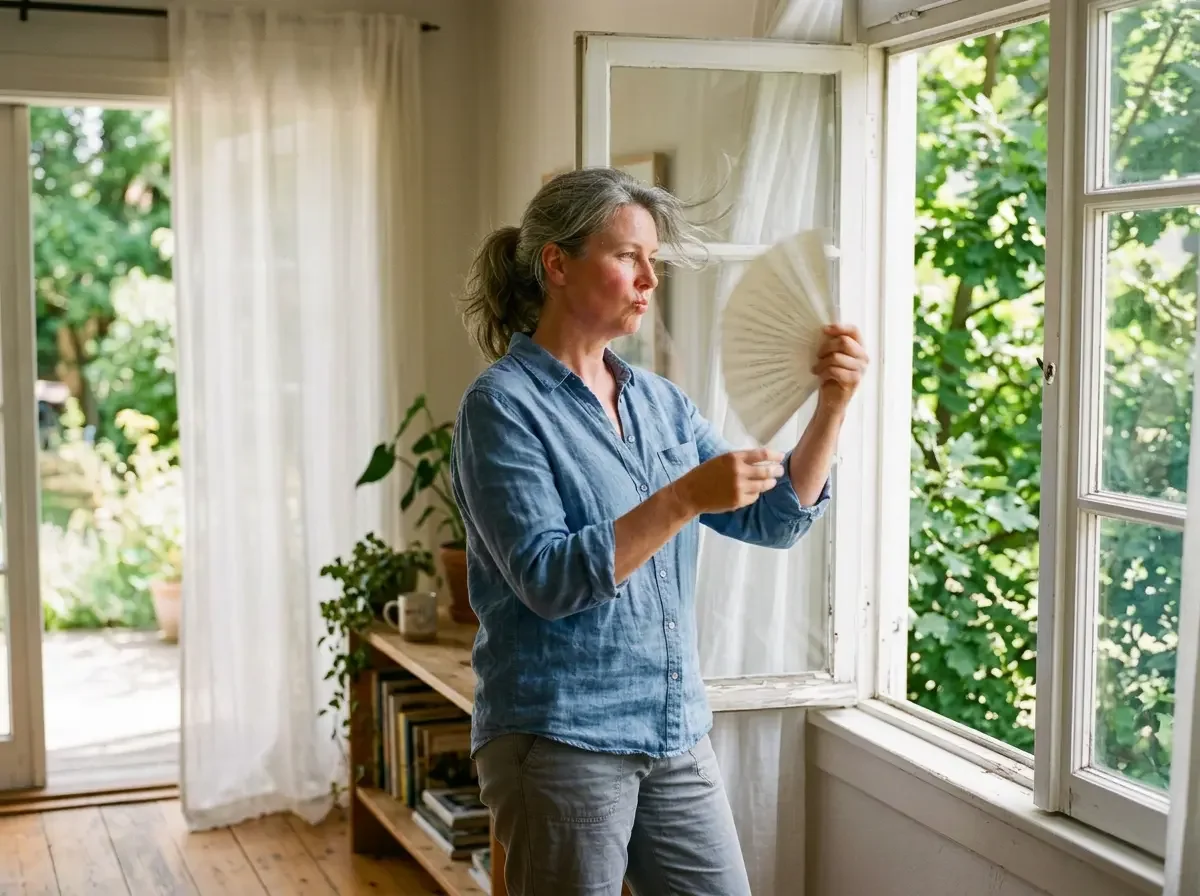
A 10-year study tracked 955 women through their menopausal transition and found a clear pattern: hot flash reports peaked in July and dropped to their lowest point in January. Women had 66% greater odds of experiencing a hot flash at their summer peak. If this is the third or fourth summer in a row where the heat seems to be making things worse, that's not a coincidence worth continuing to manage alone.

Most people don't choose a large health system so much as inherit one. And most patients who leave don't do it because something dramatic went wrong — it's an accumulation. A visit that felt rushed. A call that took three days to return. A concern that got "let's watch it" instead of real time to talk it through. Here's what actually changes when you make the switch.

The trails at Umstead, the greenways along Bolin Creek, the weekend soccer tournaments at Homestead Park — Chapel Hill summers fill up fast. Then July arrives, the Piedmont heat settles in, and the conditions that produce heat illness, medication complications, and chronic condition drift are quietly at work. The families who navigate it well aren't the ones who read the most wellness content. They're the ones with a physician who actually knows them.
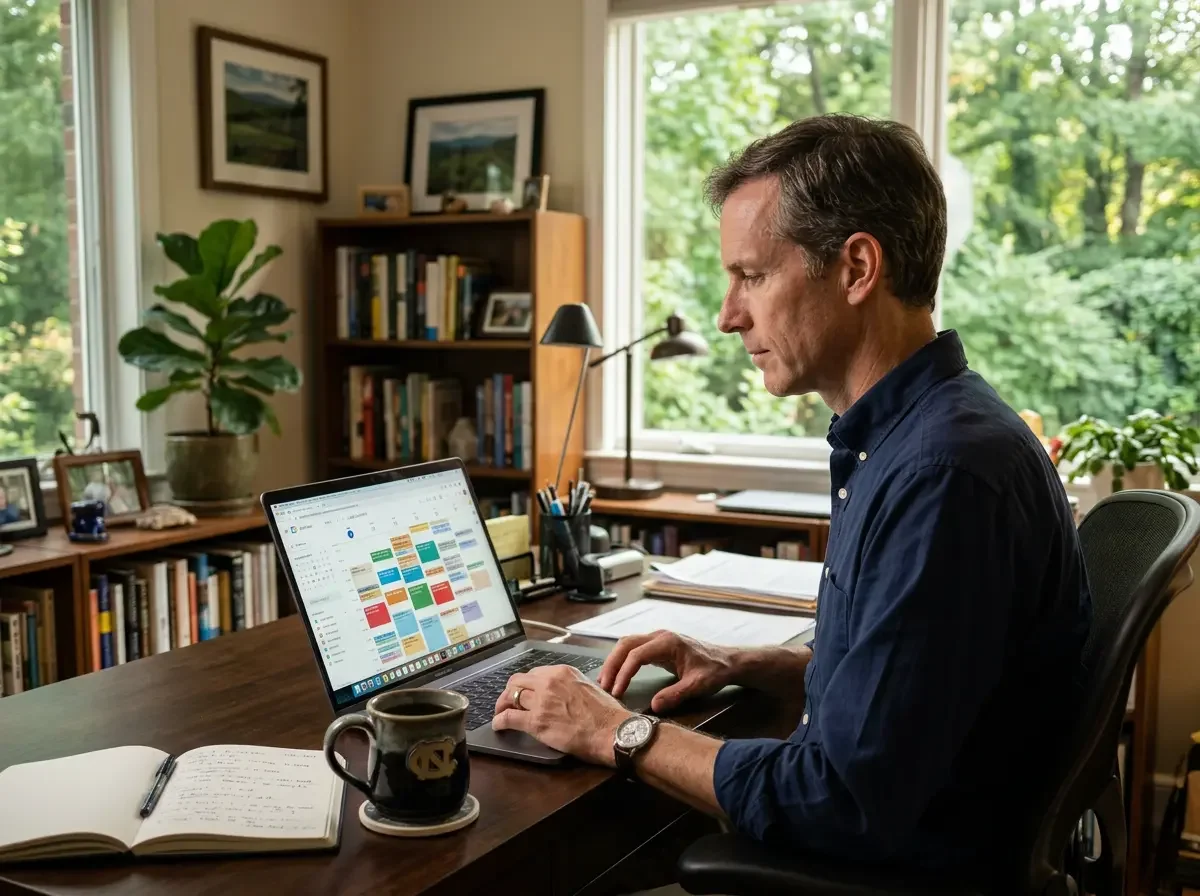
The last time you saw a doctor was for something specific. A sinus infection. A knee you rolled on a Saturday morning run. You weren't sick exactly — just busy. The way everyone is busy in a college town that runs on ambition, long commutes to Research Triangle Park, and the quiet understanding that your health can wait until the schedule opens up. Only the schedule never quite opens up.

Most people can describe exactly what they want from a family physician — access when something comes up, appointments that aren't rushed, a doctor who knows them over time. Most people also know, from experience, that this description doesn't match how healthcare usually works. Concierge medicine is a different model.
Women in their 40s and 50s are describing symptoms that have disrupted their sleep, clouded their thinking, and altered their mood — and leaving appointments without answers. The problem isn't that the symptoms are mysterious. The problem is that the standard healthcare system is structurally unprepared to connect the dots.

There is a particular household dynamic that plays out often in Chapel Hill. The kids are patients. The partner is a patient. Everyone has a physician who knows them. And the man of the household has a doctor listed in an app somewhere he hasn't actually seen in two years. That gap is worth closing.
Up to 80% of misdiagnoses originate in the clinical encounter itself — not in lab error, not in imaging failure. The doctors who got it right listened longer and asked more questions. That is not a soft skill. It is a clinical one. And it requires time that most practices simply cannot give you.
Most people have stopped expecting anything different from primary care — the three-week wait, the 12-minute appointment, the referral that doesn't quite answer the question. Dr. Claire Repine is building something different in Chapel Hill, and it opens this April.
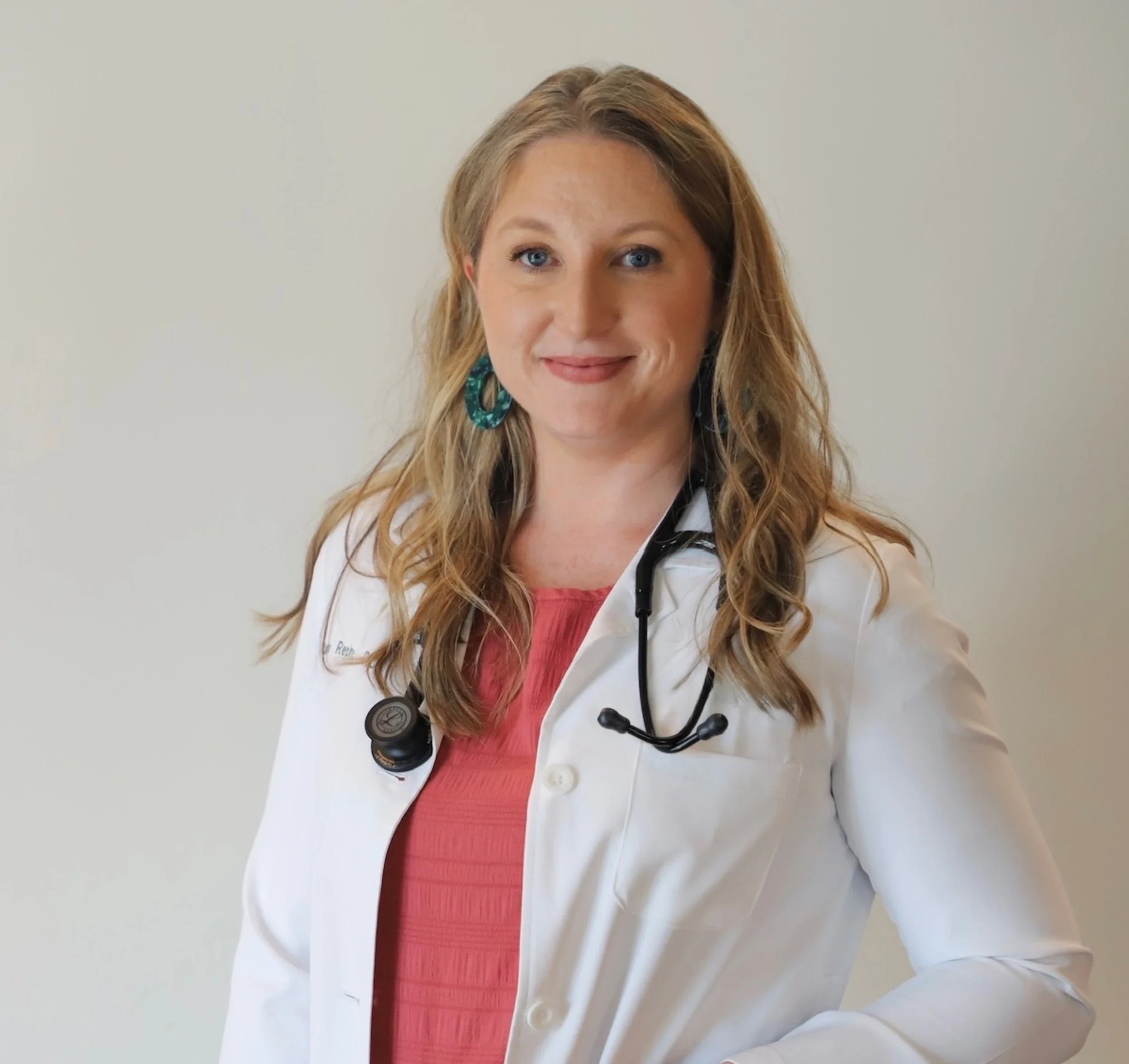
Only about 8% of adults actually receive the preventive services recommended for them — not because they don't care, but because the system makes it genuinely hard. Dr. Repine is opening Concierge Medicine of Chapel Hill this April with a different premise entirely: what if your doctor actually had time for you?
Most women don't see perimenopause coming — and then they go to their doctor and get told everything looks fine. The gap between what women are experiencing and the care they're receiving is exactly what this practice is built to close. Here's what perimenopause actually looks like, and what real support can feel like.

About 40% of men only go to the doctor when something has already gone wrong. The conditions most likely to shorten a man's life — heart disease, diabetes, hypertension — don't announce themselves. They build quietly, over years. Here's what it looks like when someone is actually keeping track.
Up to 70% of women experience significant sleep disruption during menopause. Two-thirds report memory complaints. And most spend months — sometimes years — being told everything looks fine. Here's what midlife actually feels like, and what it looks like when a provider finally takes it seriously.

Most people don't think about their health until something goes wrong. Proactive care flips that script — identifying risk early and building habits that protect you for the long term. Here's why prevention is the foundation of everything we do.

A yearly Pap smear barely scratches the surface. Women's health needs shift at every stage of life, and your care should too. Here's what a whole-person approach looks like — from your 20s through menopause and beyond.

Perimenopause can start earlier than most women expect, and the symptoms go far beyond hot flashes. Here's what to watch for, why the timing of treatment matters, and what to look for in a menopause-informed provider.
Specialists see one piece. Your family medicine doctor sees the whole picture. Here's why a continuous relationship with a generalist leads to better outcomes — and how osteopathic care adds another layer.
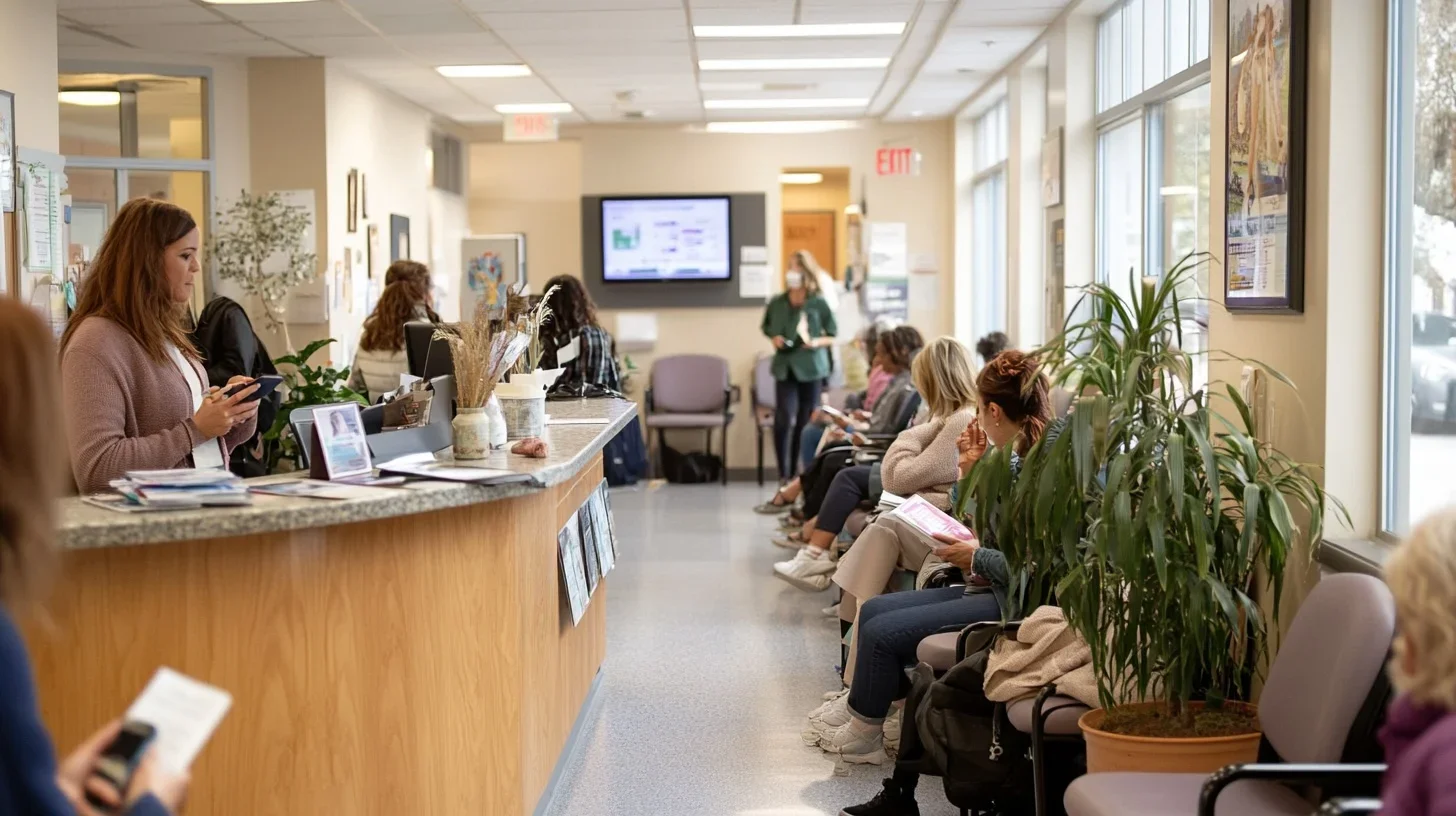
Long waits, rushed visits, and a doctor who doesn't know your name — sound familiar? Here are five signs your current primary care setup isn't meeting your needs anymore, and what to do about it.

Concierge medicine is growing fast, but there's still a lot of confusion about what it actually looks like. Here's how the membership-based model works, what to expect from a typical visit, and why it might be the right fit for your health.