Navigating Perimenopause Care in Chapel Hill: What to Expect and Where to Find Real Help

Most women don't see perimenopause coming — and then they go to their doctor and get told everything looks fine. The gap between what women are experiencing and the care they're receiving is exactly what this practice is built to close. Here's what perimenopause actually looks like, and what real support can feel like.
Last updated: March 2026
Most women don't see perimenopause coming. Not really. They might notice that sleep has gotten weird, or that their cycle is no longer the reliable clockwork it used to be, or that they feel irritable in a way that doesn't quite match what's actually happening in their life. And then they go to their doctor and get told everything looks fine. Labs are normal. Come back if it gets worse.
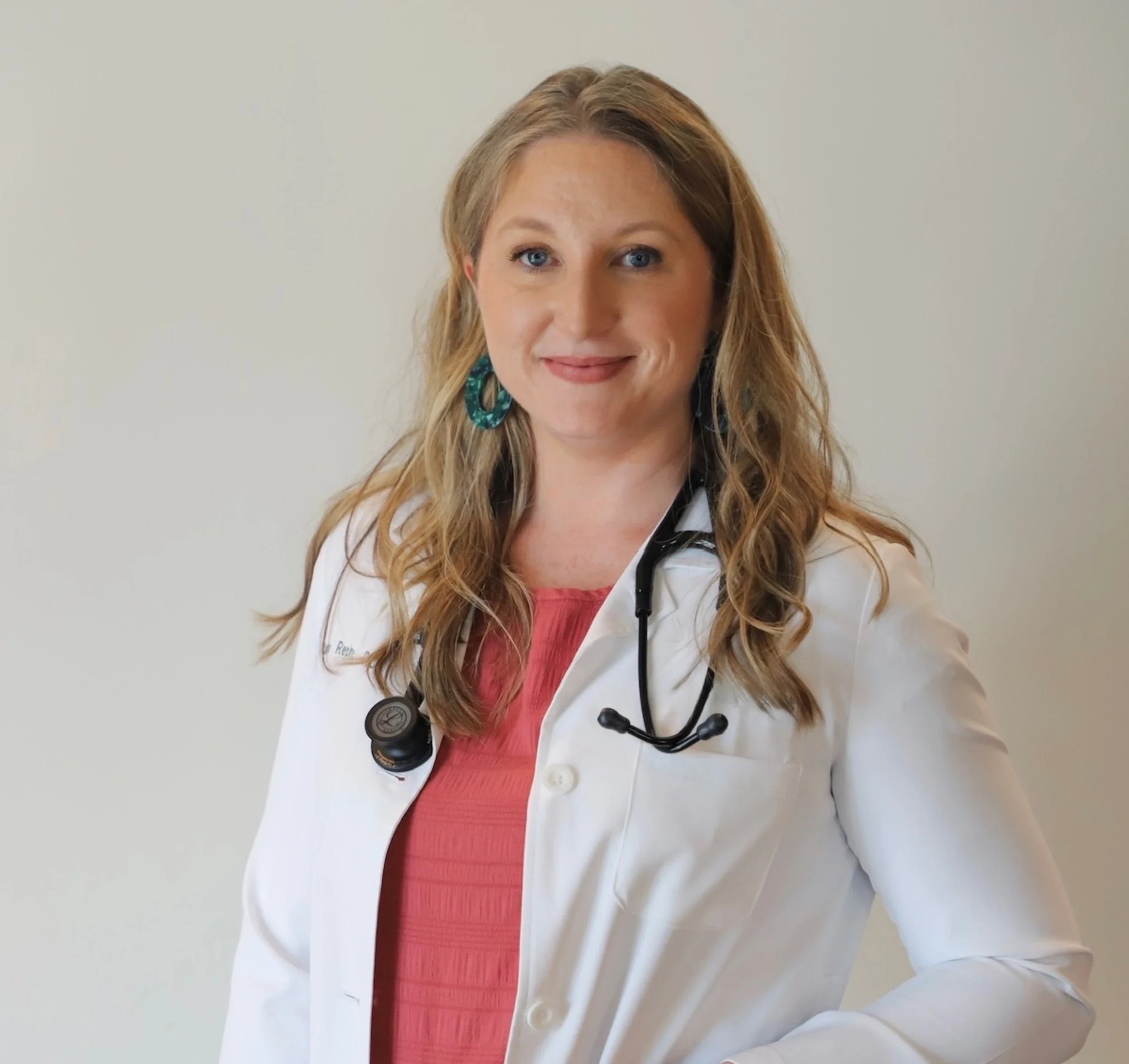
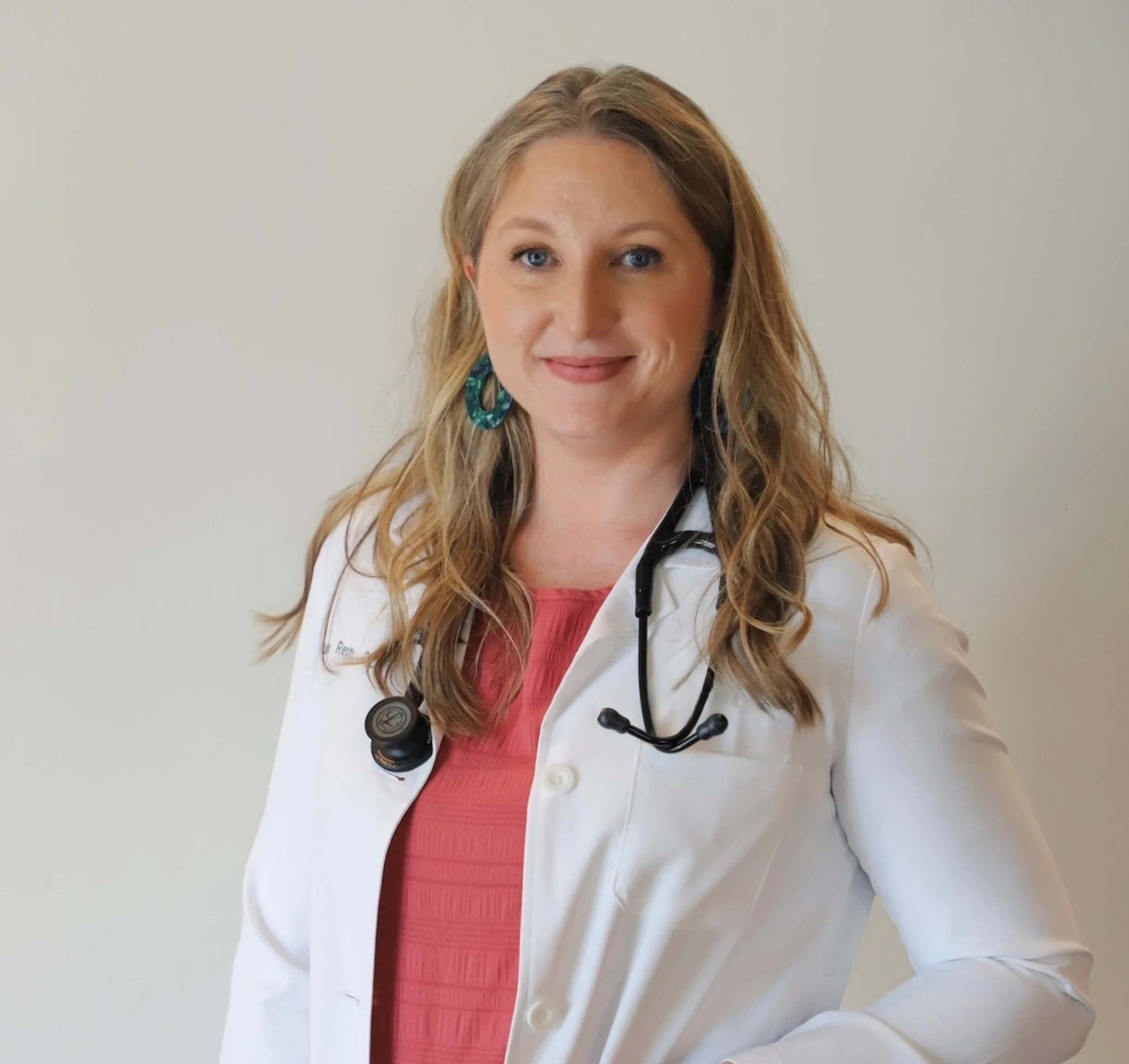
That gap between what women are experiencing and the care they're receiving is exactly what Dr. Claire Repine, DO, MSCP, is here to close. At Concierge Medicine of Chapel Hill, opening in April 2026, Dr. Repine is building a practice around the kind of women's health care that actually meets women where they are, including during perimenopause, which can begin a full decade before your last menstrual period and is almost always underestimated.
Perimenopause Starts Earlier Than Most People Think
The word "perimenopause" tends to conjure images of women in their early fifties with hot flashes. But the reality is that perimenopause typically begins in the mid-to-late thirties or early forties, and in some women, even earlier. It is not menopause. It is the long, hormone-fluctuating runway leading up to it, and it can last anywhere from four to ten years.
What makes perimenopause different from the reproductive years before it is not simply that estrogen declines. It is because estrogen becomes unpredictable. Levels can spike and crash in ways that don't follow a reliable pattern, which is part of why symptoms can feel so disorienting. You're not imagining the brain fog or the 3 a.m. wake-ups or the fact that your periods have become something of a surprise. Your hormones are genuinely in flux.
Perimenopause officially ends when you've gone twelve consecutive months without a period, which marks the beginning of menopause. But the symptoms, including the most intense ones, often peak in the two years before and the two years after that point. Understanding this timeline matters because it changes how you approach care and what you ask for.
What Perimenopause Actually Feels Like
No two women move through perimenopause the same way. Some barely notice it. Others feel like their body has become unfamiliar to them. The most common symptoms get grouped under the umbrella of "menopause symptoms," but they often show up years before menopause actually arrives.
Irregular periods are often the first sign, including cycles that shorten or lengthen, flow that becomes heavier or lighter, or bleeding that arrives on a schedule you can no longer predict. Hot flashes and night sweats, the vasomotor symptoms that get the most airtime, can disrupt sleep significantly. And disrupted sleep compounds everything else.
The mood and cognitive changes are the ones that catch many women off guard. Increased anxiety, mood swings that feel out of proportion to circumstances, and a particular kind of mental fogginess that some women describe as not quite being able to access their thoughts the way they used to. These are real hormonal symptoms, not signs that something is wrong with your mental health in isolation from what's happening in your body.
Physical changes like vaginal dryness, changes in libido, and bladder sensitivity also fall under the perimenopause umbrella. They are common, treatable, and deserve to be talked about without embarrassment. One more thing worth noting: pregnancy is still possible during perimenopause. Even with irregular periods, ovulation can still occur, which has real implications for contraception planning.
Perimenopause Treatments Have Come a Long Way
One of the most significant shifts in women's health over the past several years has been a reevaluation of hormone therapy. For decades, the conversation was shaped by misinterpreted data from older studies, and women and their doctors were understandably cautious. That picture has changed substantially.
The U.S. Department of Health and Human Services has moved to remove outdated "black box" warnings from hormone replacement therapy products, reflecting a more accurate reading of the current evidence. Research now shows that when hormone therapy is initiated within ten years of menopause onset, it can meaningfully reduce the risk of fractures, cardiovascular disease, and all-cause mortality. That timing matters, and it is one reason why starting the conversation during perimenopause, rather than waiting until after, can make a real difference.
For women who cannot or prefer not to use hormone therapy, there are now more options than there used to be. The FDA approved Fezolinetant, marketed as Veozah, as the first non-hormonal medication in a new class specifically designed to treat moderate to severe hot flashes. It works through a different mechanism than hormones, targeting the brain pathway that triggers vasomotor symptoms. This kind of option matters because not every woman is a candidate for hormonal treatment, and every woman deserves effective relief.
Beyond medications, lifestyle interventions around sleep, stress, nutrition, and movement remain foundational. A good perimenopause treatment plan tends to weave all of these together, calibrated to the individual woman rather than applied as a one-size prescription.
Why Concierge Medicine Is a Different Kind of Care
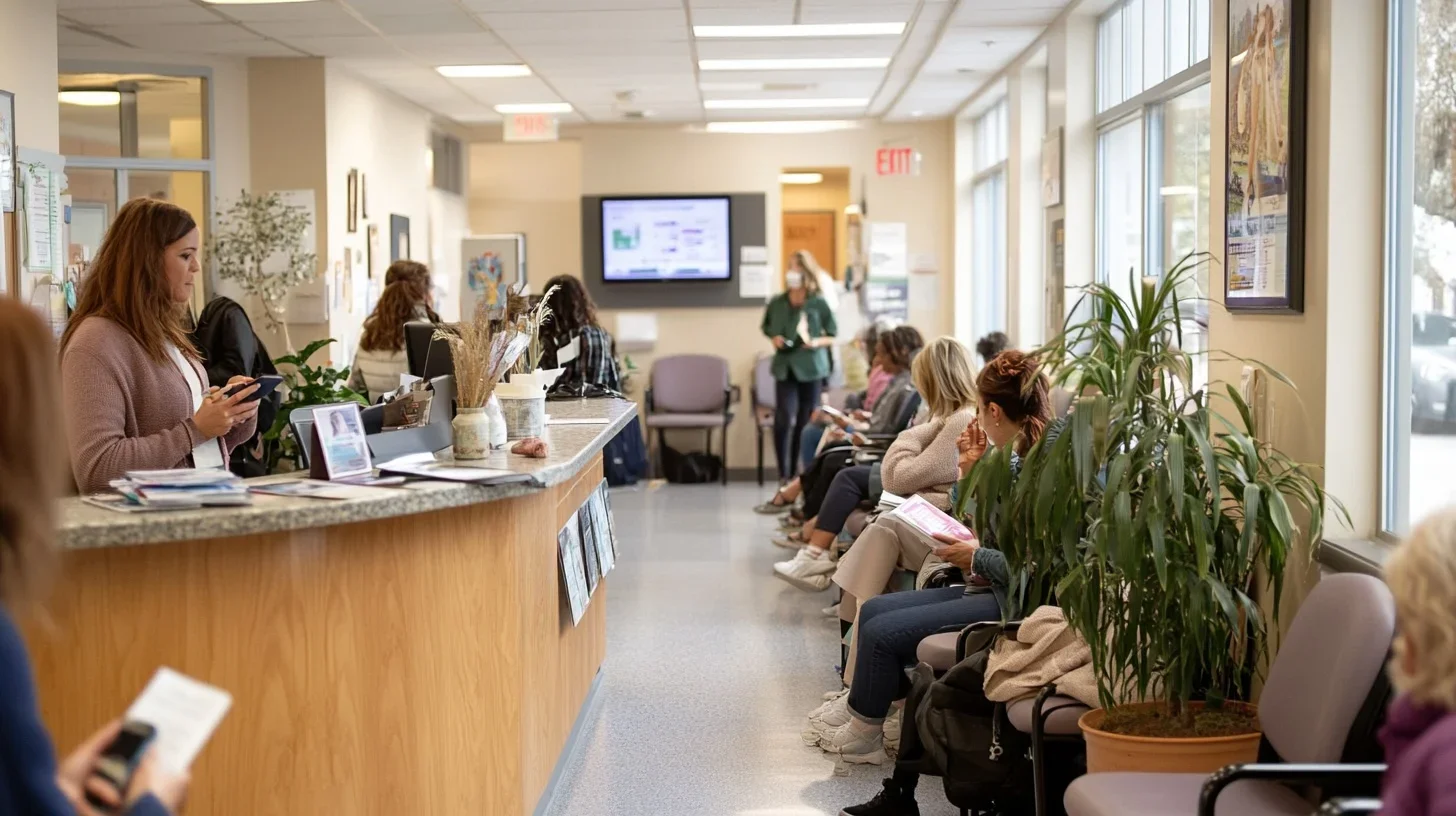
When women search for a perimenopause specialist, what they're often really looking for is a doctor who will take the time to actually listen. Standard appointment slots are not built for conversations about hormones, sleep, mood, sexual health, and long-term prevention all at once. Concierge medicine is.
At Concierge Medicine of Chapel Hill, Dr. Repine's practice is built around extended visits, direct access, and care that doesn't feel rushed. That model is particularly well-suited to perimenopause, where the symptom picture is complex, the right treatment takes time to dial in, and follow-through matters. You're not starting from scratch at every appointment because your doctor doesn't remember you.
Dr. Repine is a Menopause Society Certified Practitioner, a credential that reflects specialized training and a commitment to evidence-based care at every stage of the hormonal transition. Her practice brings together primary care and women's health in a model that emphasizes continuity, privacy, and genuine partnership with patients. Services include personalized preventive care plans, comprehensive lab work, nutrition and weight management support, and coordination with specialists when needed.
The practice also takes proactive aging and longevity planning seriously. Perimenopause is not simply a problem to be managed. It is a window of time when getting the right care can set the trajectory for how you feel and function for decades to come. That is the kind of long view that concierge medicine makes possible.
Knowing When It's Time to Make the Appointment
If you are in your late thirties or forties and something feels off, that is a reasonable reason to seek care. You do not need to wait until symptoms are severe or a specific lab value exceeds a threshold. Cycle changes, sleep disruption, new anxiety, cognitive shifts, or simply a feeling that your body isn't behaving the way it used to are all legitimate starting points for a conversation about perimenopause.
Heavy bleeding or prolonged periods should always be evaluated, partly to ensure there isn't another underlying condition mimicking perimenopausal symptoms. But beyond that, you don't need to meet some threshold of suffering before you deserve support.
What you need is a provider who treats your experience as valid, understands the complexity of this transition, and has the time and expertise to work through it with you.
Chapel Hill Now Has That Provider
Dr. Claire Repine is opening Concierge Medicine of Chapel Hill in April 2026, bringing specialized, patient-centered women's health care to the area. If you are looking for a perimenopause specialist who will actually sit with you and work through what's happening, this practice was built with that in mind.
Learn more and schedule a consultation at chapelhillcm.com or call 919-827-0009.