What Is Concierge Medicine? A Doctor’s Perspective on Why This Model Works

Concierge medicine is growing fast, but there's still a lot of confusion about what it actually looks like. Here's how the membership-based model works, what to expect from a typical visit, and why it might be the right fit for your health.
If you’ve heard the term “concierge medicine” but aren’t quite sure what it means—or whether it’s right for you—you’re not alone. The concept is growing quickly, but there’s still significant confusion about what it looks like in practice.
At its core, concierge medicine is a membership-based model of primary care. Patients pay an annual or monthly fee to belong to a practice that intentionally keeps its patient panel small. In return, they receive longer appointments, same- or next-day scheduling, direct access to their physician, and a much more personalized experience than what most traditional practices can offer. You can explore our membership plans to see how this works in practice.
Why the Traditional Model Falls Short
In a conventional primary care setting, physicians often carry panels of 2,000 to 2,500 patients. The math is unforgiving: with that many patients to see, visits get shortened to 10 or 15 minutes, wait times grow, and the physician’s attention is stretched thin. It’s not that your doctor doesn’t care—it’s that the system doesn’t give them the time to care the way they want to.
This is the problem concierge medicine was designed to solve. By reducing patient panels to a fraction of that number, physicians can dedicate real time and attention to each person—not just addressing what’s wrong today, but understanding the full picture of someone’s health, goals, and life.
What Concierge Care Actually Looks Like Day to Day
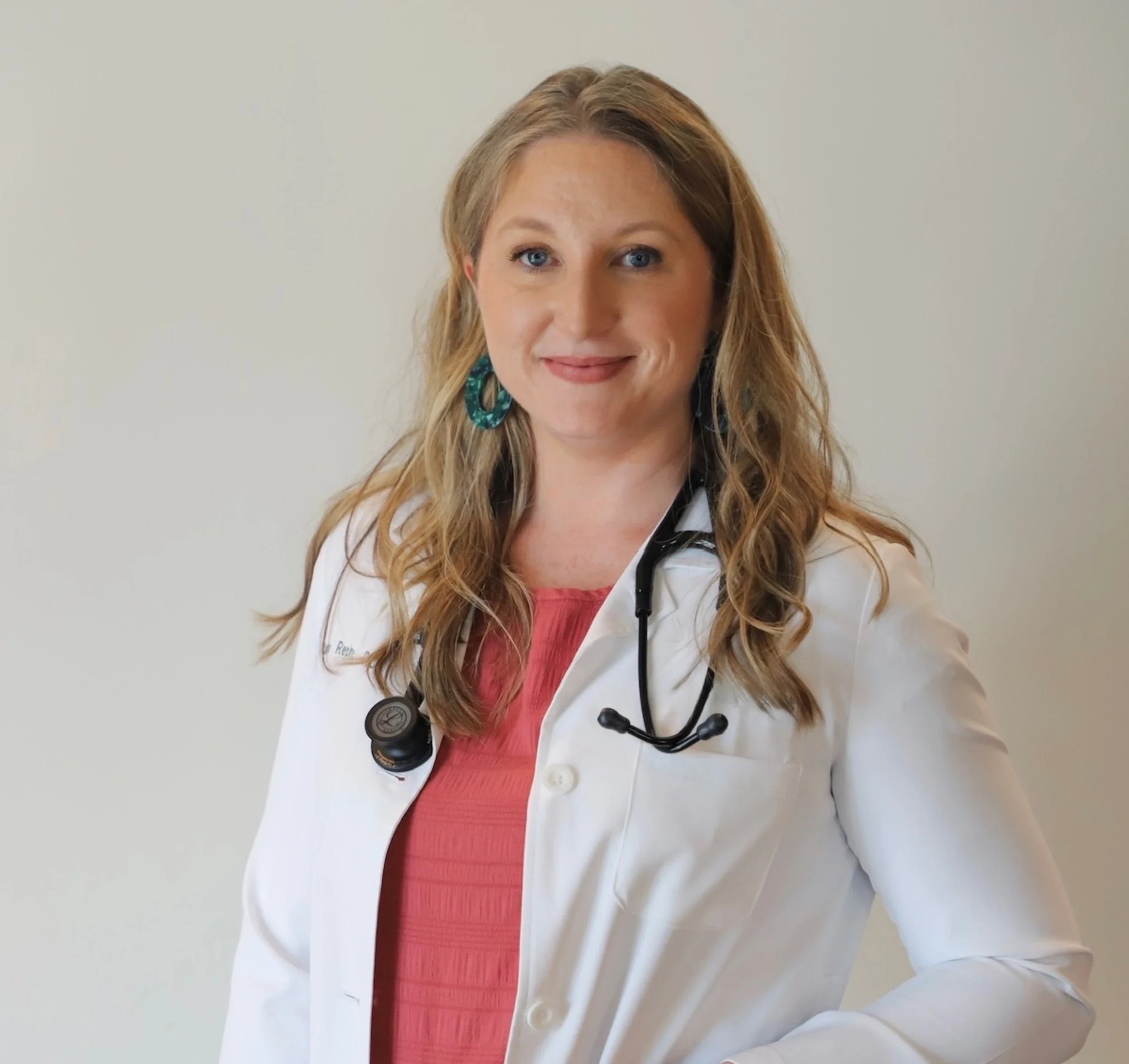
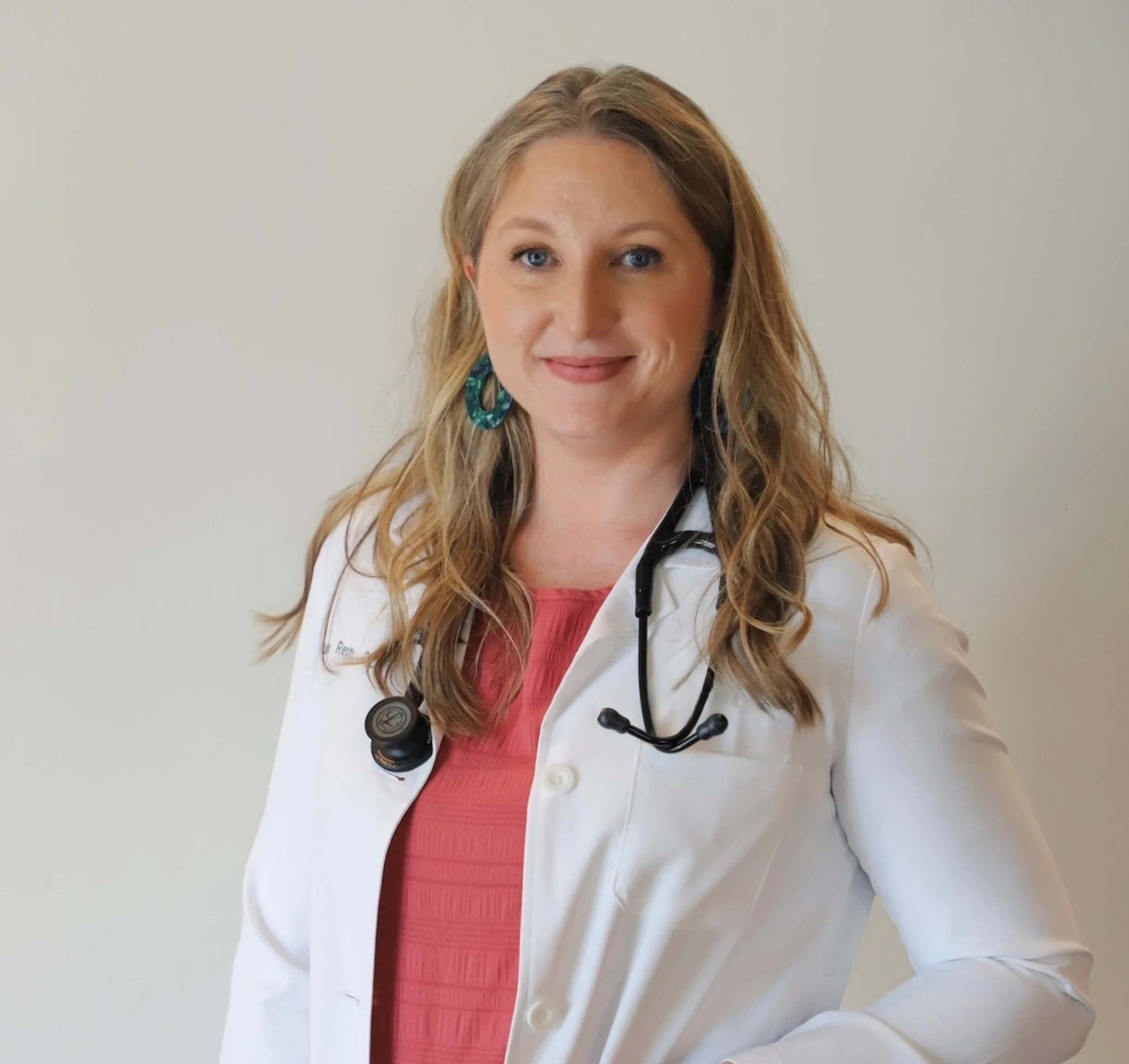
In our practice, a typical visit lasts 30 to 60 minutes. There’s no rush. We have time to review your labs thoroughly, talk about what’s going on at work or at home that might be affecting your health, and build a care plan that fits your life—not just a template. Learn more about Dr. Repine’s approach and how her training shapes the way she practices.
Patients also have direct access to me through secure messaging and telemedicine. If something comes up—a concerning symptom, a question about a medication, or an issue that needs quick attention—you don’t have to call a front desk and wait days for a callback. That kind of access changes the relationship entirely. It means we can catch things earlier, adjust plans in real time, and avoid unnecessary ER visits and urgent care trips.
Is It Right for You?
Concierge medicine works well for people who want a real, ongoing relationship with their doctor. It’s a great fit for busy professionals who value efficiency and direct access, for patients managing chronic conditions who benefit from closer follow-up, and for anyone entering a new stage of life—whether starting a family, navigating midlife, or simply seeking a more proactive approach to their health.
It’s not about luxury or exclusivity. It’s about building a healthcare experience that actually works—one where your doctor knows you, has time for you, and is invested in keeping you well for the long run.
Have questions about how concierge medicine works? Check out our FAQ or schedule a discovery call to learn more about our practice and what membership looks like.