Why More Families in Chapel Hill Are Choosing Concierge Primary Care

Most people can describe exactly what they want from a family physician — access when something comes up, appointments that aren't rushed, a doctor who knows them over time. Most people also know, from experience, that this description doesn't match how healthcare usually works. Concierge medicine is a different model.
Last updated: May 2026
Most people can describe what they want from a family physician without much prompting. They want to be able to reach their doctor when something comes up. They want appointments that actually happen when they are scheduled. They want visits long enough to address more than one concern without feeling like they are being moved through a queue. They want a doctor who knows them, not just their chart, and who can connect the dots across time rather than treating each visit as an isolated episode.
What most people also know, from experience, is that this description often does not match how healthcare actually functions. Families in Chapel Hill and surrounding areas are navigating a primary care system designed to see high volumes of patients in short windows of time. The experience of feeling rushed, dismissed, or unable to access care when it is needed is not a reflection of any individual physician's intentions. It is a predictable outcome of the way traditional primary care is structured.
Concierge medicine is a different model, and understanding what it offers, practically and clinically, helps families make more informed decisions about their healthcare.
What the Standard Model Actually Looks Like
It helps to understand the structural reality of traditional primary care before comparing it to anything else. Concierge physicians limit patient panels to 400 to 500 individuals, compared to traditional primary care loads that regularly exceed 2,000 patients. That difference in panel size is the engine that drives most of the distinctions between the two models.
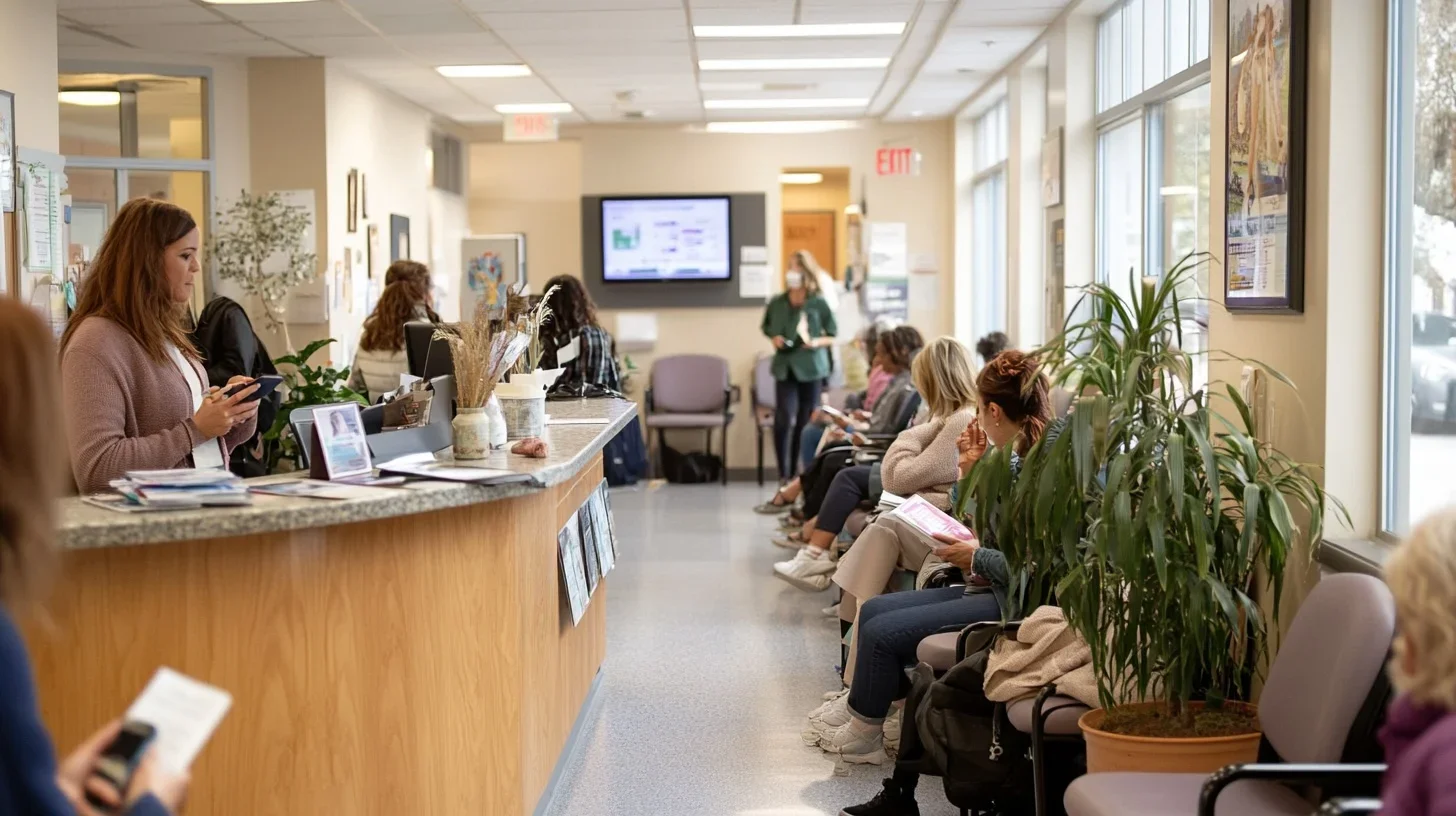
According to a study from AMN Healthcare, the average time to schedule a new patient appointment with a primary care physician is 31 days. In a 2025 survey, 76 percent of respondents reported waiting 10 minutes or longer in the office after arriving for their appointment, including 14 percent who waited between 30 and 60 minutes.
It is estimated that 60 percent of patients in traditional practices will wait two weeks for an appointment, only 10 percent will be able to see their provider on the same day, and once in the office, the average patient waits 20 minutes for a provider visit that lasts about 10 to 15 minutes.
For a family managing school schedules, work responsibilities, and the general unpredictability of everyday life, these numbers describe something familiar. A sick child on a Tuesday morning. A nagging concern that gets pushed back three weeks until a slot opens. A 12-minute appointment that ends with questions still on the list. None of this is the physician's fault. It is the structural consequence of a panel that is simply too large to support the kind of care most families seek.
How Concierge Medicine Changes the Experience
The concierge model addresses these structural constraints at the source. By limiting panel size, a concierge physician can offer same-day or next-day appointments, longer appointment times, direct communication between visits, and the kind of longitudinal attention that lets a doctor actually know her patients over time.
For families, this plays out in specific and meaningful ways:
When a child is sick, you can get seen. Not next week. Not at urgent care with a provider who has never met your family. Your physician, who knows your child's history, can see you the same day or talk through the concern directly.
Appointments have room for more than one thing. A parent who has been dealing with fatigue for months should not have to choose between discussing that and asking about her child. In a concierge visit, there is time to address the full picture.
Your doctor remembers you. Continuity of care is not just a comfort. It has clinical implications. A physician who has known a patient for years notices subtle changes, tracks patterns over time, and makes connections that a stranger seeing you for the first time cannot make.
Preventive care does not get crowded out. In a volume-driven model, acute concerns tend to take up the available appointment time. Preventive screenings, lifestyle conversations, and long-range health planning are harder to prioritize when every visit is rushed. In a concierge model, prevention is part of the structure of every visit, not a secondary agenda item.
You can reach your physician between visits. Not a phone tree. Not a patient portal message that generates a response three days later. Direct access, which matters when a concern arises on a Saturday morning, does not clearly require an emergency room.
The Case for Preventive Medicine as a Family Strategy
One of the most meaningful distinctions in how concierge medicine functions for families is its orientation toward prevention rather than reaction. The traditional primary care model is largely built around acute concerns: something is wrong, you seek care, you receive treatment, you leave. A genuinely preventive practice takes a different posture.
For parents, this means that their own health is tracked with the same proactive attention as their children's annual wellness visits. Women in their 40s navigating perimenopause are not just managing symptoms in isolation. They are working with a physician who understands how hormonal changes intersect with cardiovascular risk, bone health, metabolic function, and cognitive wellness, and who is building a care plan that looks years ahead.
For families as a whole, it means that healthcare operates less like an emergency service and more like an ongoing relationship. The goal is not simply to address problems. It is to understand each family member well enough to get ahead of problems before they become harder to manage.
Why Chapel Hill Is Particularly Well Suited to This Model
Chapel Hill is a community shaped by research, by institutions that take evidence seriously, and by residents who bring that same standard to the choices they make about their own lives. Families here are accustomed to asking questions, reading the evidence, and seeking providers who can engage at that level.
The concierge model fits that orientation well. It is built around substantive relationships that support informed, shared decision-making. It creates the conditions for a physician and a patient to have genuine conversations about health goals, risk tolerance, and long-term priorities rather than transactional exchanges about immediate symptoms.
It is also a model that takes family medicine seriously as a specialty. Caring well for a family across generations, from children to parents to grandparents, requires a physician who can hold the full picture of how health changes over a lifetime and what prevention looks like at each stage.
What to Consider When Evaluating Whether Concierge Care Is Right for Your Family
Concierge medicine is not the right fit for every family in every circumstance. But for families who prioritize access, continuity, and prevention-focused care, the comparison is worth examining honestly. A few questions worth considering:
How often in the past year has your family been unable to access timely primary care when a concern came up?
How many specialists or urgent care visits resulted from the inability to reach a primary care provider quickly?
Does your current physician know your family's health history well enough to notice meaningful changes over time?
Are preventive screenings and long-range health planning consistently part of your family's care, or do they tend to get deferred?
Do you have a physician who has time to explain her clinical reasoning, answer your questions fully, and involve you in decisions about your care?
These are not questions designed to produce a particular answer. They are the actual questions that determine whether the care model a family is currently using is meeting their needs.
A Practice Built Around Families and Prevention
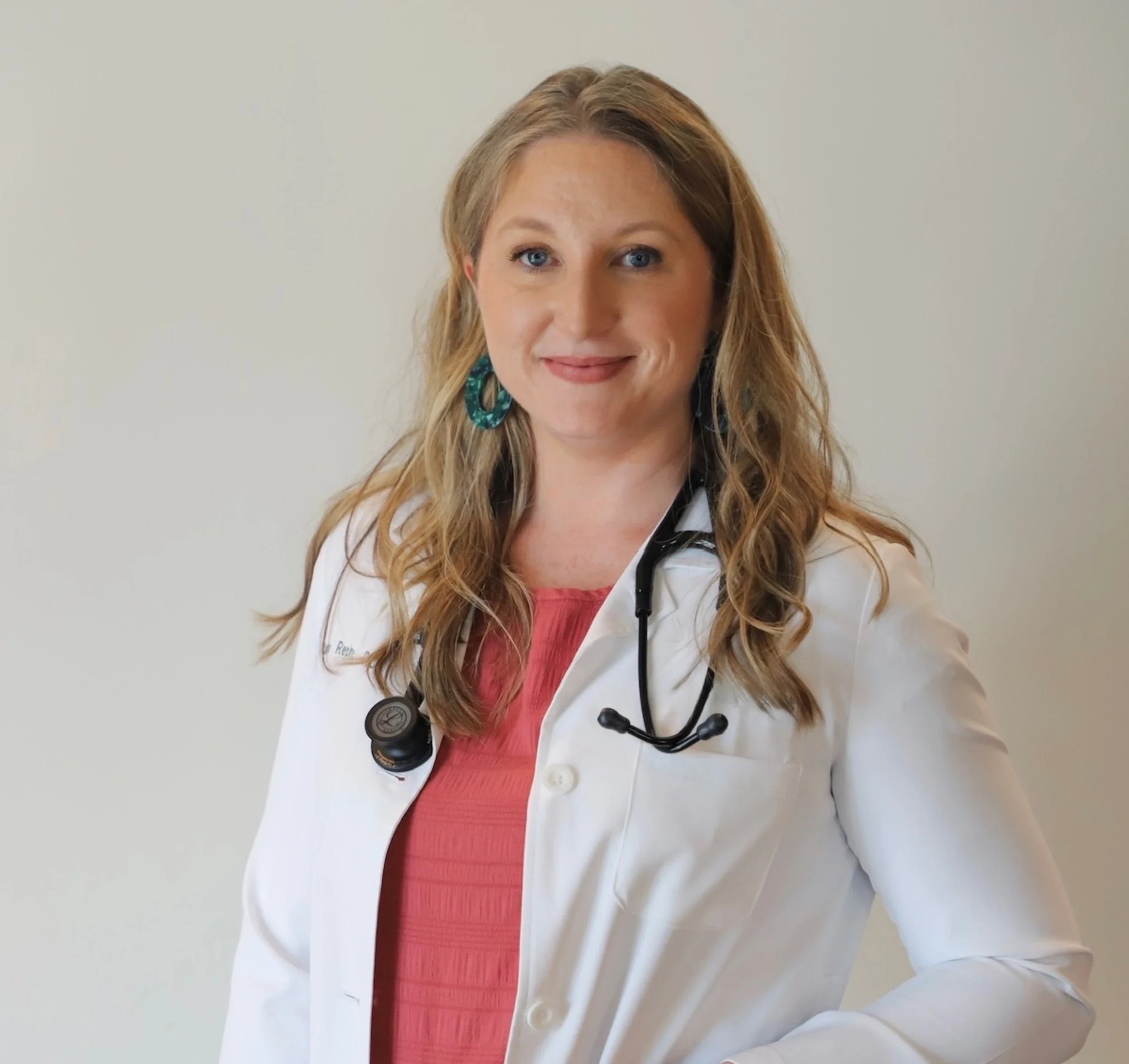
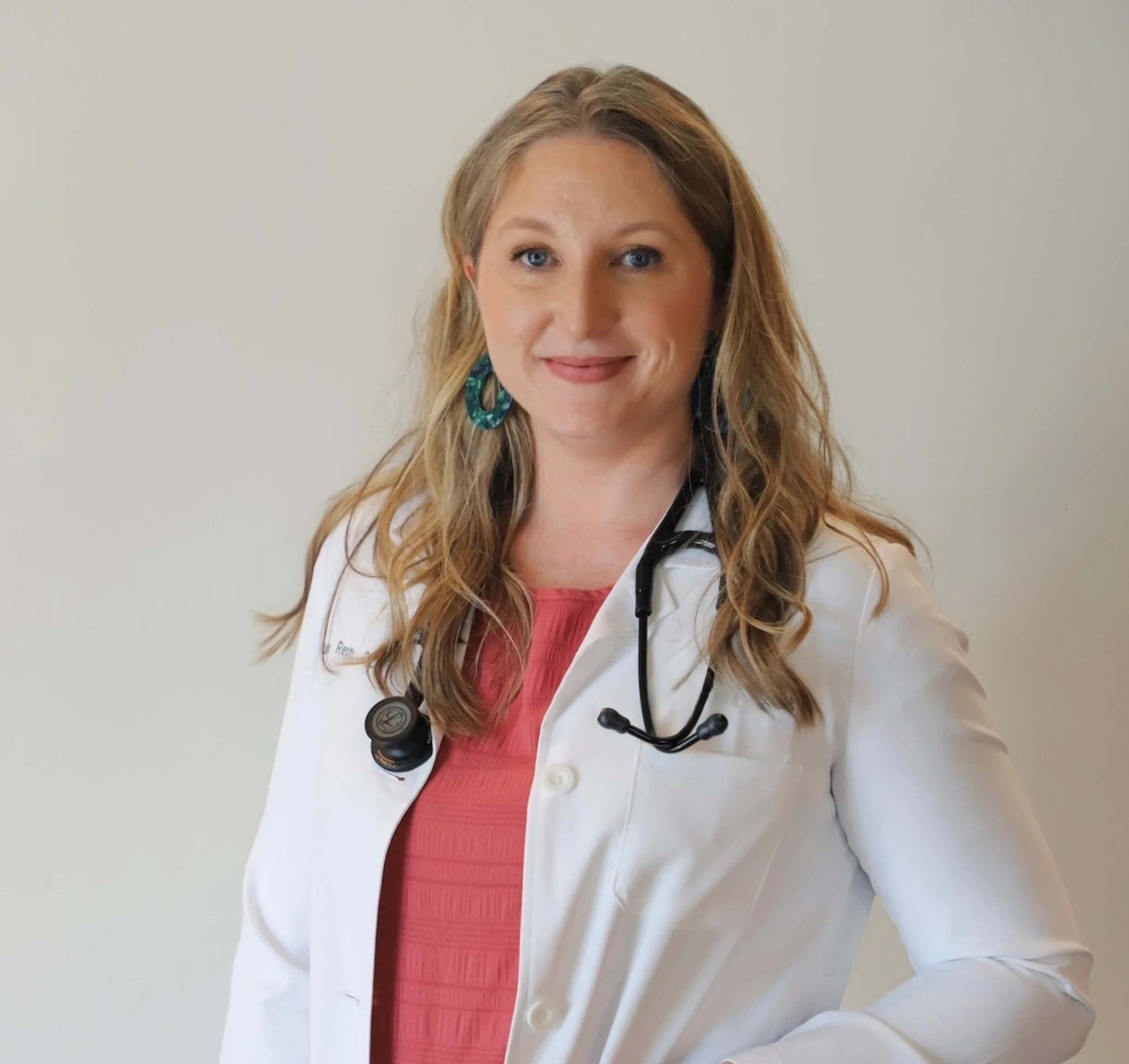
Concierge Medicine of Chapel Hill was established to offer exactly the kind of primary care that families in this community say they want. Dr. Claire Repine, DO, MSCP, brings a whole-person, prevention-focused approach to primary care that serves patients at every stage of life. Her additional credentialing through The Menopause Society means that women navigating midlife health changes receive care from a physician with specific, tested expertise in that clinical territory, not a generalized awareness of it.
The concierge model at this practice means smaller panels, longer visits, genuine accessibility, and a longitudinal approach to health that treats prevention as the primary work, not the secondary one.
For families in Chapel Hill, Durham, Carrboro, and the surrounding Research Triangle area who are ready for a different experience of primary care, we welcome the conversation. The growing adoption of concierge medicine reflects increasing patient awareness of its benefits and a clear appetite for care that prioritizes the relationship between physician and patient above volume. That is what this practice is built to provide.