Why Men in Chapel Hill Are Delaying Preventive Care (And What It's Actually Costing Them)

The last time you saw a doctor was for something specific. A sinus infection. A knee you rolled on a Saturday morning run. You weren't sick exactly — just busy. The way everyone is busy in a college town that runs on ambition, long commutes to Research Triangle Park, and the quiet understanding that your health can wait until the schedule opens up. Only the schedule never quite opens up.
Last updated: June 2026
There's a version of this story most men in Chapel Hill know well.
The last time you saw a doctor was for a specific issue. A sinus infection. A knee you rolled on a Saturday morning run. Maybe a check-in with your wife or partner pushed you into scheduling. You weren't sick exactly, just busy. The way everyone is busy in a college town that runs on ambition, long commutes to Research Triangle Park, evening baseball practices, and the quiet understanding that your health can wait until the schedule opens up.
Only the schedule never quite opens up.
This is the pattern that defines men's healthcare in the United States, and Chapel Hill is no exception. Men delay. They normalize. They reframe symptoms as personality traits. Fatigue becomes "I'm just not a morning person." Sleep problems become "I've always been a light sleeper." A blood pressure reading at the dentist's office gets mentally filed under things to follow up on and then quietly forgotten.
The delay is rarely indifference. It's the compounding weight of a healthcare system that has conditioned people to show up only when something is clearly wrong, combined with schedules that leave little room for care that feels optional.
Preventive care for men is not optional. It just gets treated that way.
The Numbers Behind the Pattern
Men's avoidance of preventive care is well-documented and consistent across age groups.
According to the Cleveland Clinic's MENtion It survey, 72 percent of men say they would rather do household chores than go to the doctor, and more than half admit they have avoided the doctor even when they suspected something might be wrong.
The downstream consequences show up in survival statistics. Men are diagnosed with conditions like hypertension, type 2 diabetes, and colorectal cancer at later, harder-to-treat stages. The American Heart Association reports that nearly half of all men over 20 have some form of cardiovascular disease, yet many have no ongoing relationship with a primary care physician who is tracking their numbers over time.
In Orange County and the broader Research Triangle, the men most likely to delay care are often the ones you might expect to be most health-conscious: educated, employed, active. The problem is not awareness. It is activation.
What Men Are Actually Normalizing
Part of what makes preventive care so easy to postpone is that the symptoms most worth paying attention to are easy to rationalize as ordinary.
Here is what tends to get dismissed:
Persistent fatigue. Not just tired-after-a-long-day tired. The kind that does not lift after a full weekend of sleep. This can signal thyroid dysfunction, sleep apnea, anemia, or early metabolic issues that are entirely addressable when caught early.
Blood pressure creep. Hypertension earns its reputation as the "silent killer" because it produces no symptoms until it produces serious ones. Without a physician tracking your numbers longitudinally, a slow rise over two or three years goes unnoticed.
Sleep disruption. Undiagnosed sleep apnea affects an estimated 26 to 34 percent of men between 30 and 70, according to research published in the American Journal of Respiratory and Critical Care Medicine. It is associated with hypertension, cardiac disease, and cognitive decline, and it is also highly treatable once identified.
Changes in mood or motivation. Low testosterone and clinical depression in men often look like burnout or irritability, not the symptoms men have been told to watch for. Both are underdiagnosed and undertreated.
Elevated stress without a plan. Chronic psychological stress has measurable physiological effects, including elevated cortisol, increased cardiovascular risk, and impaired immune response. Most men manage stress by continuing to push through it.
None of these concerns requires a crisis to address. They require a physician who has enough time with you to ask the right questions.
The Visit You Keep Putting Off Could Change the Trajectory
Preventive care is not about finding something wrong. It is about establishing what is right for you specifically and then protecting it.
A thorough annual wellness exam for men includes more than a blood pressure reading and a handshake. In a practice built around comprehensive primary care, that visit typically covers:
Baseline laboratory work that includes lipid panels, fasting glucose, kidney and liver function, thyroid screening, and a complete metabolic panel
Cardiovascular risk stratification based on your personal history, family history, and current numbers
Age- and risk-appropriate cancer screenings, including colorectal cancer, prostate-specific antigen discussion, and skin examination
Sleep and fatigue assessment that goes beyond "are you sleeping enough"
Hormonal health evaluation, including testosterone and thyroid, when symptoms or risk factors are present
Mental health and stress screening integrated into the overall picture, not treated as a separate concern
A longitudinal health plan that gives you actual targets and a timeline, not just a referral and a follow-up appointment six months out
The difference between that visit and a rushed fifteen-minute appointment with someone who has never met you before is not trivial. It is the difference between reactive medicine and preventive medicine.
Why Concierge Primary Care Works Differently for Men
Men who avoid the doctor frequently cite the same reasons: they cannot get an appointment quickly, the visit feels rushed, and they leave without a clear sense of what the plan is or whether anyone is paying attention to the full picture.
Concierge primary care was designed to address exactly this.
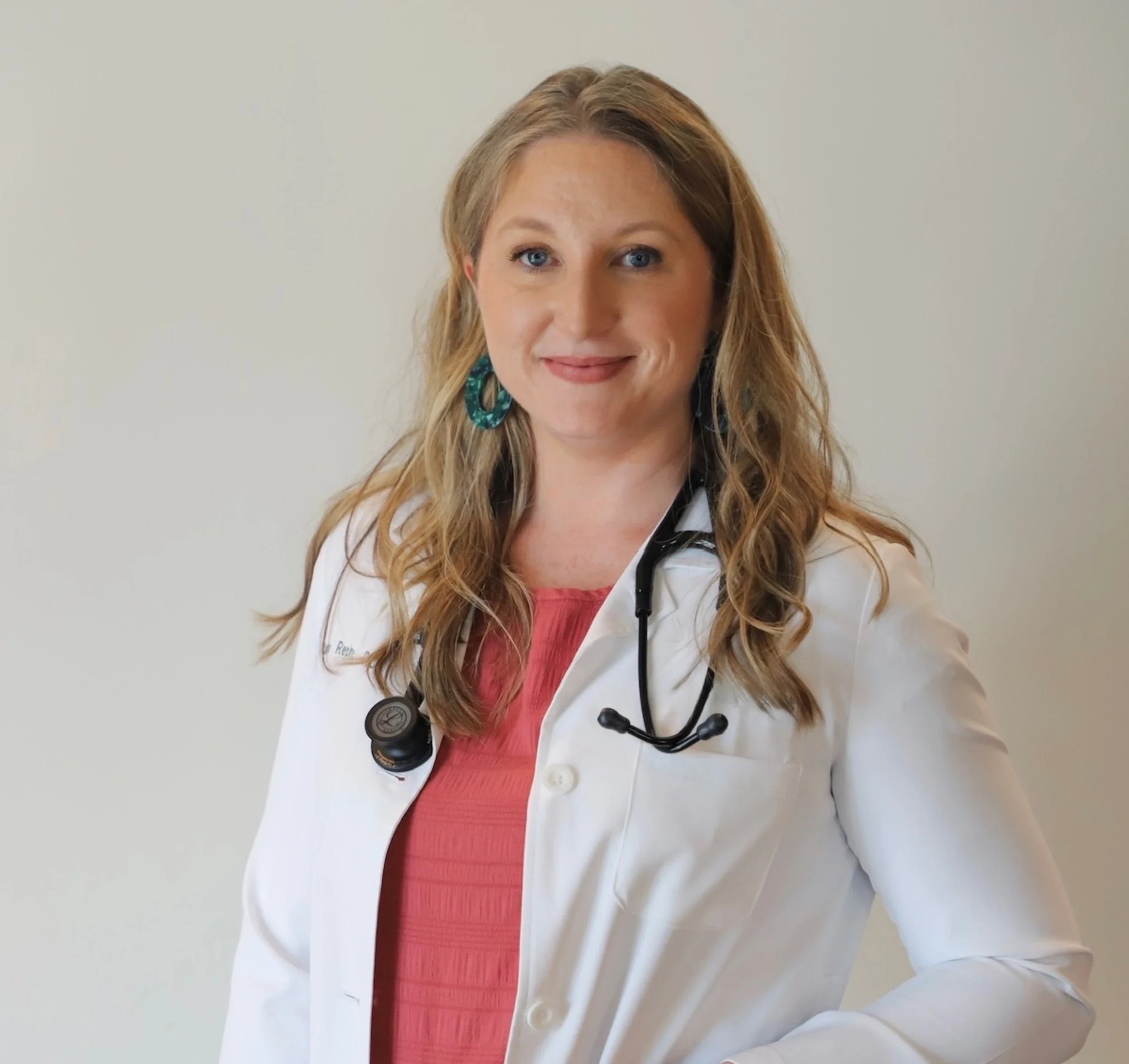
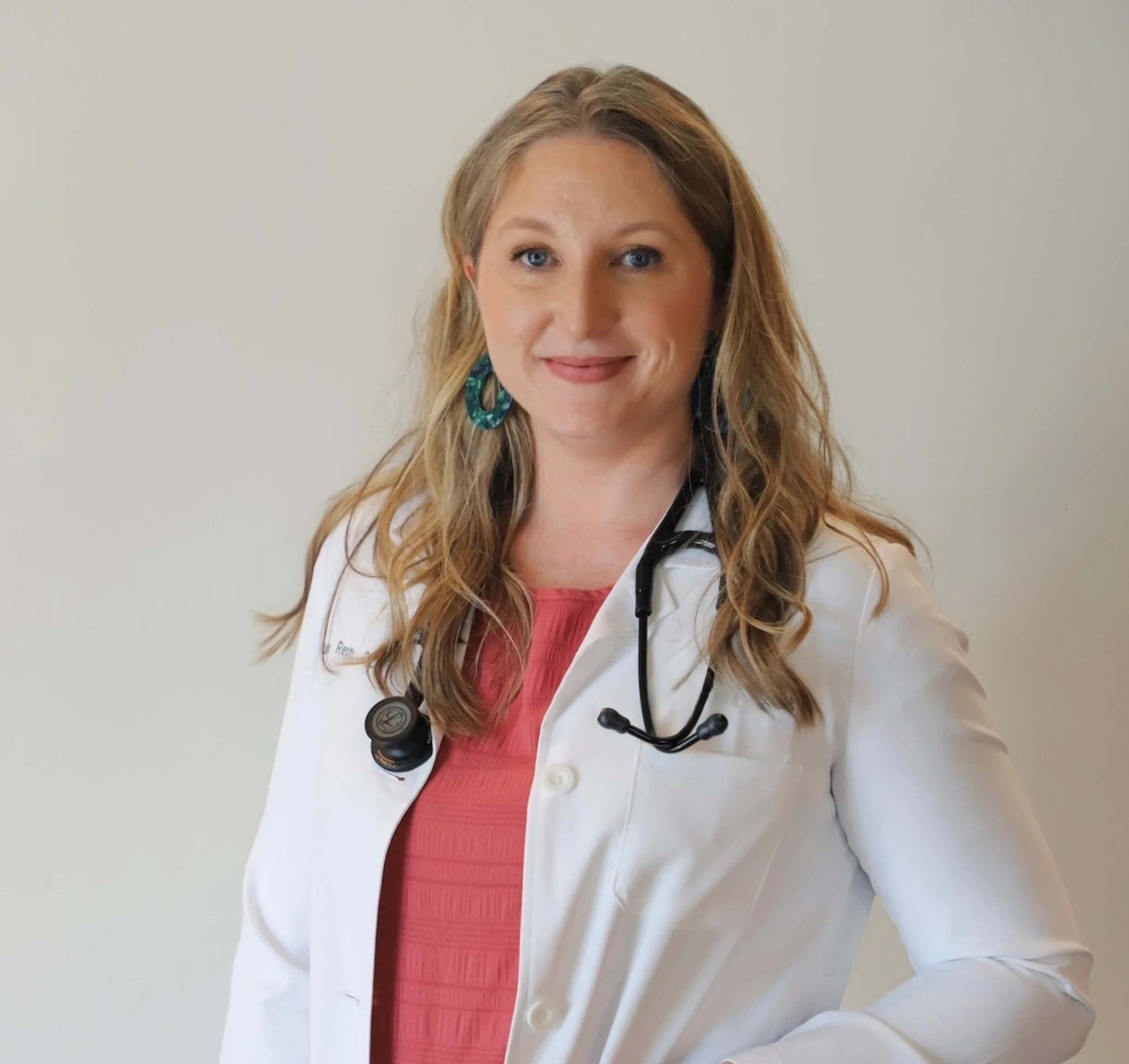
At a practice like Concierge Medicine of Chapel Hill, the patient panel is intentionally limited so that Dr. Repine has the time to know her patients, not just their chart numbers. Same-day and next-day appointments are the norm, not the exception. Visits are long enough to be thorough. And because you see the same physician consistently, she is tracking how your numbers change over time, not reading your history for the first time every two years.
For men with demanding professional schedules, this model also removes the logistical friction that makes it easy to keep delaying. When you know the appointment will be efficient, accessible, and actually useful, the barrier to scheduling drops considerably.
Dr. Repine brings specialized training in women's health through her MSCP credential, but her practice serves the whole family. For couples and households where healthcare conversations tend to center on everyone except the man in the room, having a physician who takes men's preventive health seriously changes the dynamic.
What Proactive Healthcare Actually Looks Like
Men who make the shift from reactive to proactive care consistently describe the same experience: they did not realize how much they were carrying until they had someone actively helping them manage it.
That might look like:
Learning that your blood pressure has been trending upward for two years and making a targeted intervention before medication becomes necessary
Discovering that your fatigue has a cause, not just a lifestyle explanation, and having a treatment plan within weeks instead of years
Getting a clear answer on your cardiovascular risk and actually understanding what your cholesterol numbers mean in context
Establishing a relationship with a physician who will call you back personally and who remembers what you discussed at your last visit
This is not concierge medicine as a luxury. It is primary care functioning the way it is supposed to.
The Best Time to Start Is Before You Need To
If you live or work in Chapel Hill, Carrboro, Durham, or the surrounding Research Triangle area, and you have been meaning to establish care with a primary care physician who has time for you, now is the right time.
Concierge Medicine of Chapel Hill is a primary care practice led by Dr. Claire Repine, DO, MSCP, offering preventive care for the whole family with a focus on long-term wellness and women's health. New patients are welcome.
You can reach the practice at 919-827-0009 or visit chapelhillcm.com to learn more.
For families in Chapel Hill, Durham, Carrboro, and the surrounding Research Triangle area who are ready for a different experience of primary care, we welcome the conversation. The growing adoption of concierge medicine reflects increasing patient awareness of its benefits and a clear appetite for care that prioritizes the relationship between physician and patient above volume. That is what this practice is built to provide.