Why Longer Doctor Visits in Chapel Hill Lead to Better Health Outcomes
Up to 80% of misdiagnoses originate in the clinical encounter itself — not in lab error, not in imaging failure. The doctors who got it right listened longer and asked more questions. That is not a soft skill. It is a clinical one. And it requires time that most practices simply cannot give you.
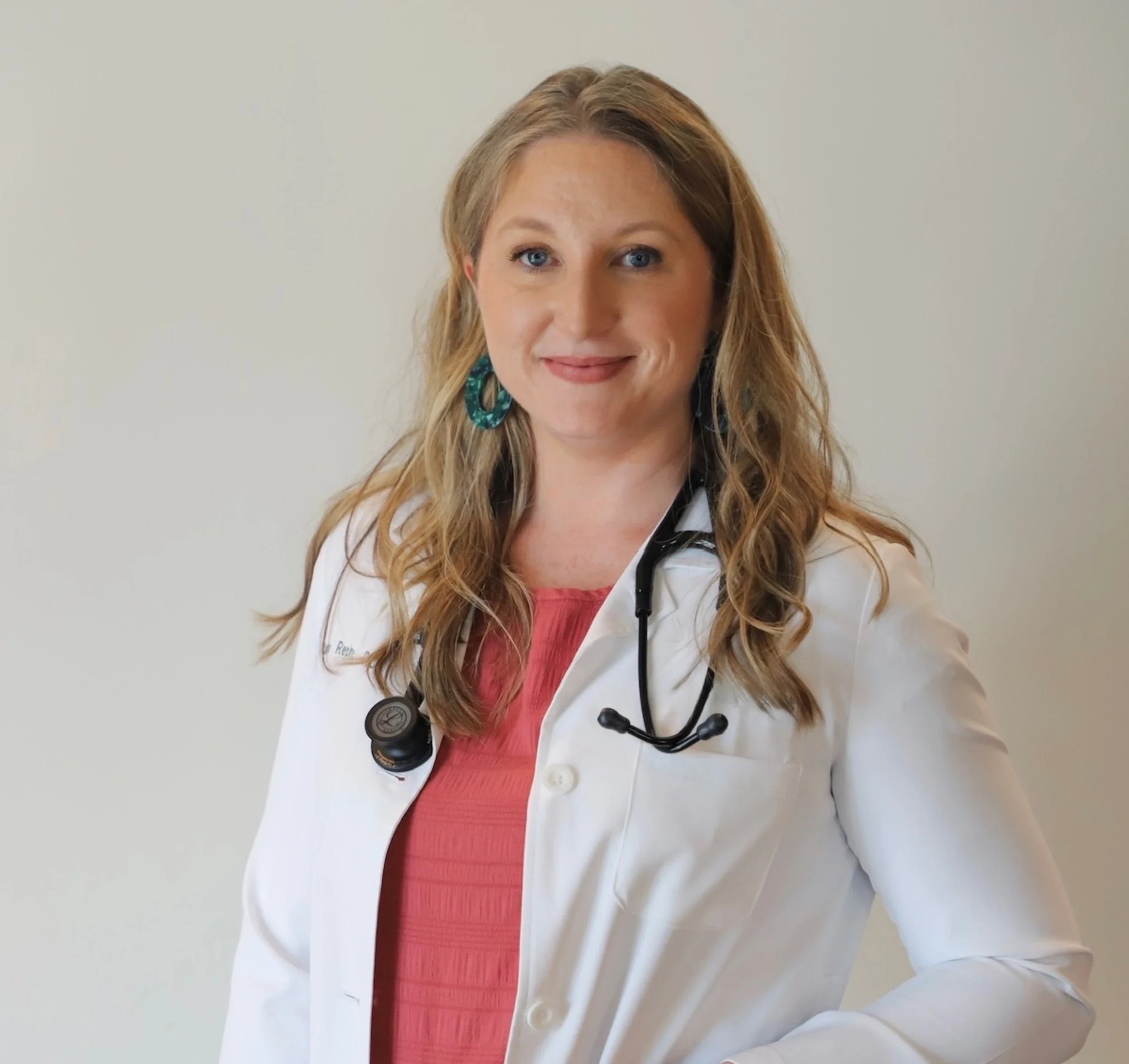
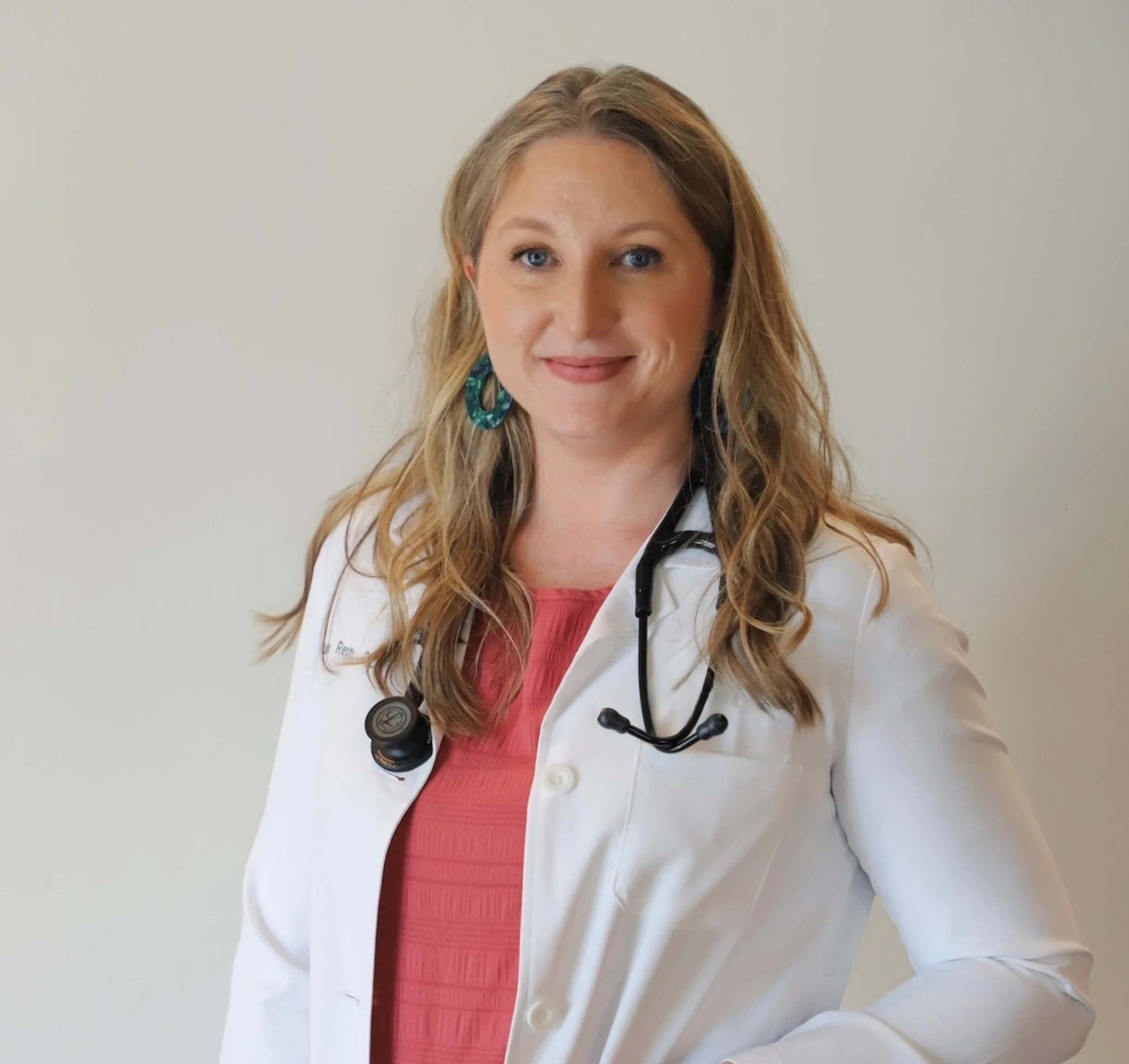
Dr. Claire Repine, DO, MSCP | Concierge Medicine of Chapel Hill
Last updated: March 2026
You have probably left a doctor’s appointment feeling like you barely got a chance to explain why you were there in the first place. Maybe you had a list of three things to discuss and managed to get through one before the doctor was already moving toward the door. Maybe your concerns got labeled as anxiety or stress before anyone actually listened. You are not imagining it, and you are not being too much. The system is genuinely not built for the kind of care most women actually need.
That is a big part of why Concierge Medicine of Chapel Hill exists. Dr. Claire Repine, DO, MSCP, is opening her practice in April 2026, built from the ground up around the idea that good medicine takes time. Not 10 minutes. Not a rushed prescription refill and a “follow up if it gets worse.” Actual time to sit with you, understand your history, and figure out what is really going on.
The 10-Minute Problem Is Bigger Than You Think.
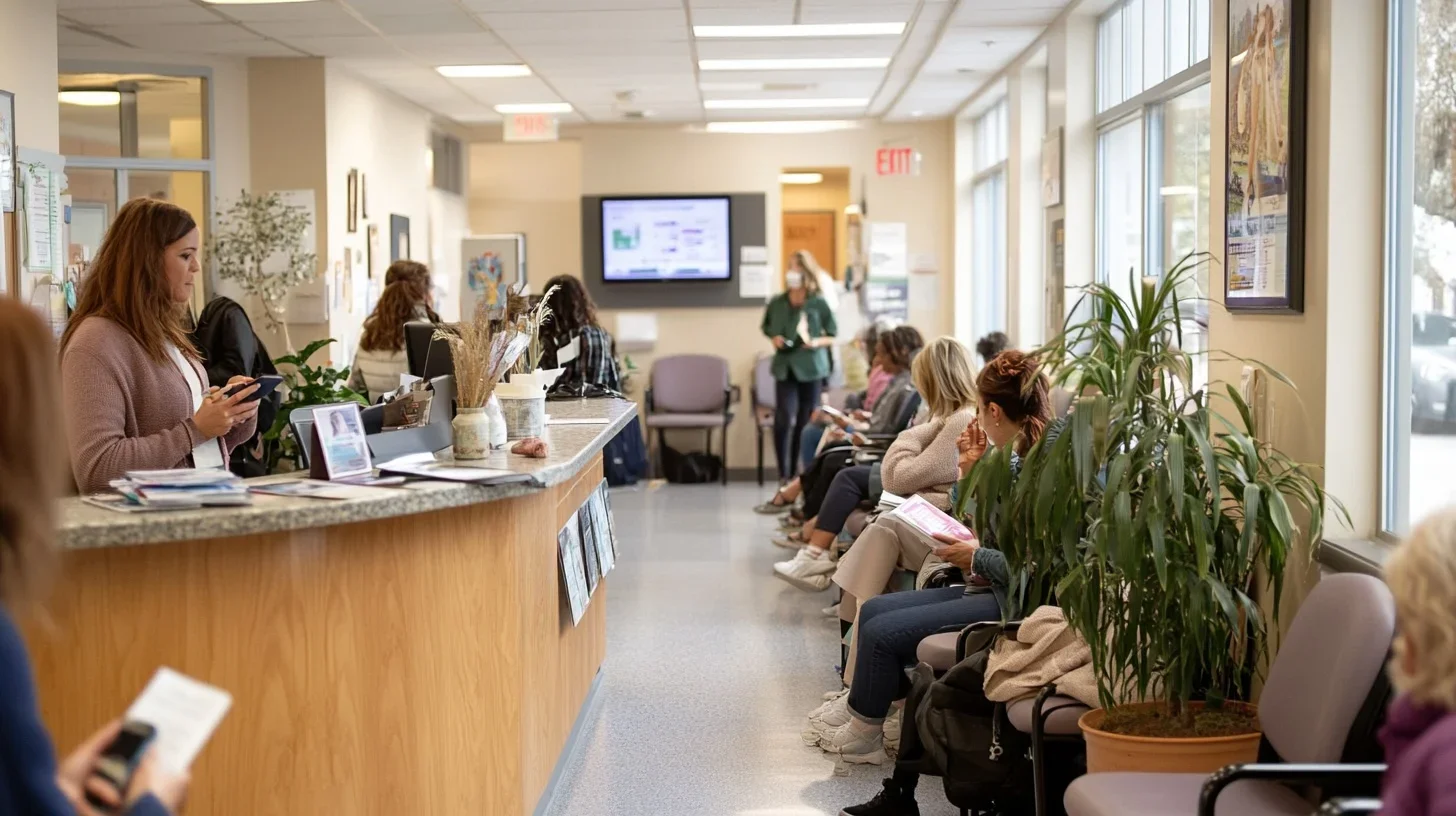
Traditional primary care physicians typically manage panels of 2,000 or more patients. To keep the practice financially viable through insurance reimbursements, that usually means seeing 20 or more patients a day. Do the math, and you land somewhere around 15 to 20 minutes per visit, if everything runs on time, which it rarely does.
Research bears this out on a global scale. A systematic review covering more than 28 million consultations across 67 countries found that consultation times ranged from under a minute in some countries to just over 22 minutes in others. About half the world’s population lives in countries where the average appointment lasts 5 minutes or less. The United States does better than that, but “better” still often means 15 to 18 minutes for a traditional primary care visit.
That same research found a statistically significant relationship between longer consultations and lower hospital admissions for conditions such as diabetes. When patients get adequate time with their doctors, they are less likely to end up in the hospital for something that could have been managed with better outpatient care. That is not a minor footnote. That is the entire argument for doing this differently.
What Cannot Happen in 15 Minutes
There is a particular version of this problem that women experience all the time. You come in with fatigue. Maybe irregular cycles, or brain fog, or a nagging sense that something is off. In a 15-minute appointment, fatigue becomes a prescription for iron supplements or a referral to a therapist and a “come back in three months.” No one asks about your sleep, your stress, your family history, what your periods have actually been like, or whether you are approaching perimenopause.
Studies on diagnostic accuracy make this uncomfortably concrete. Up to 80% of misdiagnoses originate in the clinical encounter itself, not in lab error or imaging failure. When researchers observed how physicians spent their appointment time, the doctors who made the wrong diagnosis spent less time gathering patient history and more time delivering a diagnosis too early. The doctors who got it right listened longer. They asked more questions. They let the picture build.
That kind of listening is not a soft skill. It is a clinical one. And it requires time that most practices simply cannot give you.
There is also the issue of preventive care. Following nationally recommended preventive care guidelines for a standard patient panel would require more than 24 hours of physician time per day. It is structurally impossible. So the preventive care gets squeezed, deprioritized, or skipped in favor of whatever brought you in that day.
How Concierge Medicine Changes the Math
The concierge model works because it changes the underlying numbers. Dr. Repine limits her panel to approximately 350 to 600 patients, compared to the 2,000-plus of a traditional practice. That reduction, somewhere between 70 and 85 percent fewer patients, is what creates the structural space for everything else.
Appointments at Concierge Medicine of Chapel Hill run 30 to 90 minutes, depending on what you need. Same-day and next-day access for acute concerns. No sitting in a waiting room, wondering if you actually have time to bring up the second thing on your list. Time blocked specifically for you.
Dr. Repine is a Doctor of Osteopathic Medicine with a Menopause Society Certified Practitioner designation, which means she brings specialized training in the hormonal health issues that often get dismissed or misidentified in standard care. Women in their 30s are navigating early hormonal shifts. Women in their 40s in the thick of perimenopause. Women in their 50s and beyond who want a physician who actually understands the evidence on hormone therapy rather than reflexively steering them away from it.
That depth of knowledge matters, and it can only be applied when there is actually enough time to use it.
What You Actually Get When You Have More Time
Consider what a longer visit actually makes possible. A woman in her mid-40s comes in with fatigue and irregular periods. In a traditional visit, she might leave with a referral and a vague plan. In a 45-minute visit with Dr. Repine, there is space to look at the full picture: stress load, sleep quality, family history, thyroid function, and hormonal changes. The difference between those two outcomes is not just patient satisfaction. It is whether she gets the right answer.
Longer visits also affect how chronic conditions are managed. Managing diabetes well requires more than a quick medication check. It requires understanding how someone is actually living with the disease, what barriers are getting in the way, what the emotional weight of it feels like, and what a realistic plan looks like for this specific person. Research consistently shows that concierge practices outperform traditional ones on care coordination and chronic disease management, and patients in those practices report that their doctors actually gave them enough time.
There is also something that happens in a longer visit that is harder to quantify but still real: patients share more. When you are not watching the clock and trying to decide which of your concerns is worth mentioning, you say the thing you were going to leave out. Sometimes that thing is the most important thing.
A Practice That Actually Has Time for You
Chapel Hill now has a concierge primary care option built specifically for families and women who are tired of feeling rushed, dismissed, or like a name on a very long list. Dr. Claire Repine is opening Concierge Medicine of Chapel Hill in April 2026 to offer a genuinely different kind of care: longer visits, real access, and a physician who has the time to actually know you.
If you are ready to experience what it feels like to leave an appointment with your questions answered, reach out to learn more about membership.