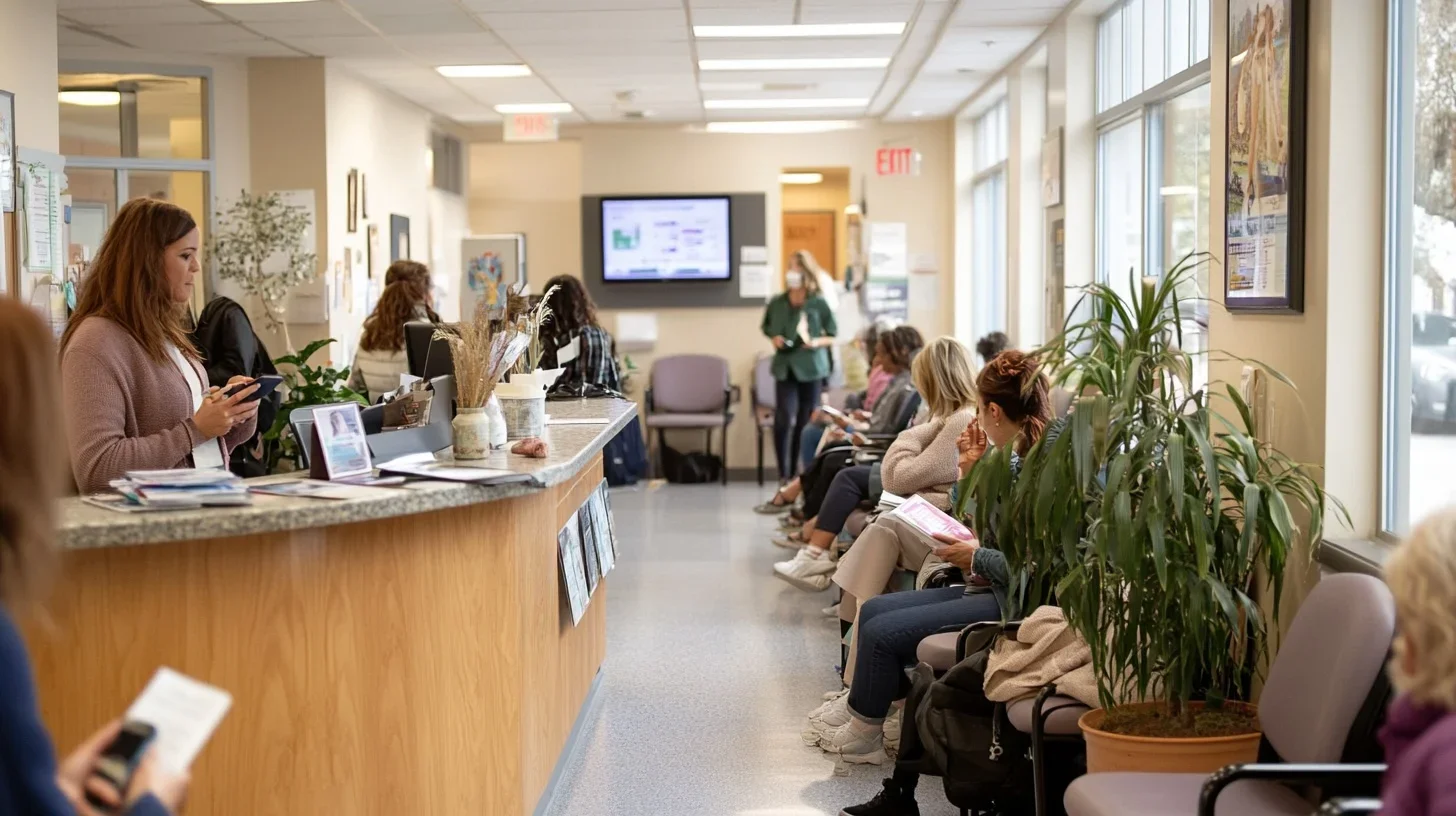
Why Hot Flashes and Mood Swings Get Worse in Summer Heat
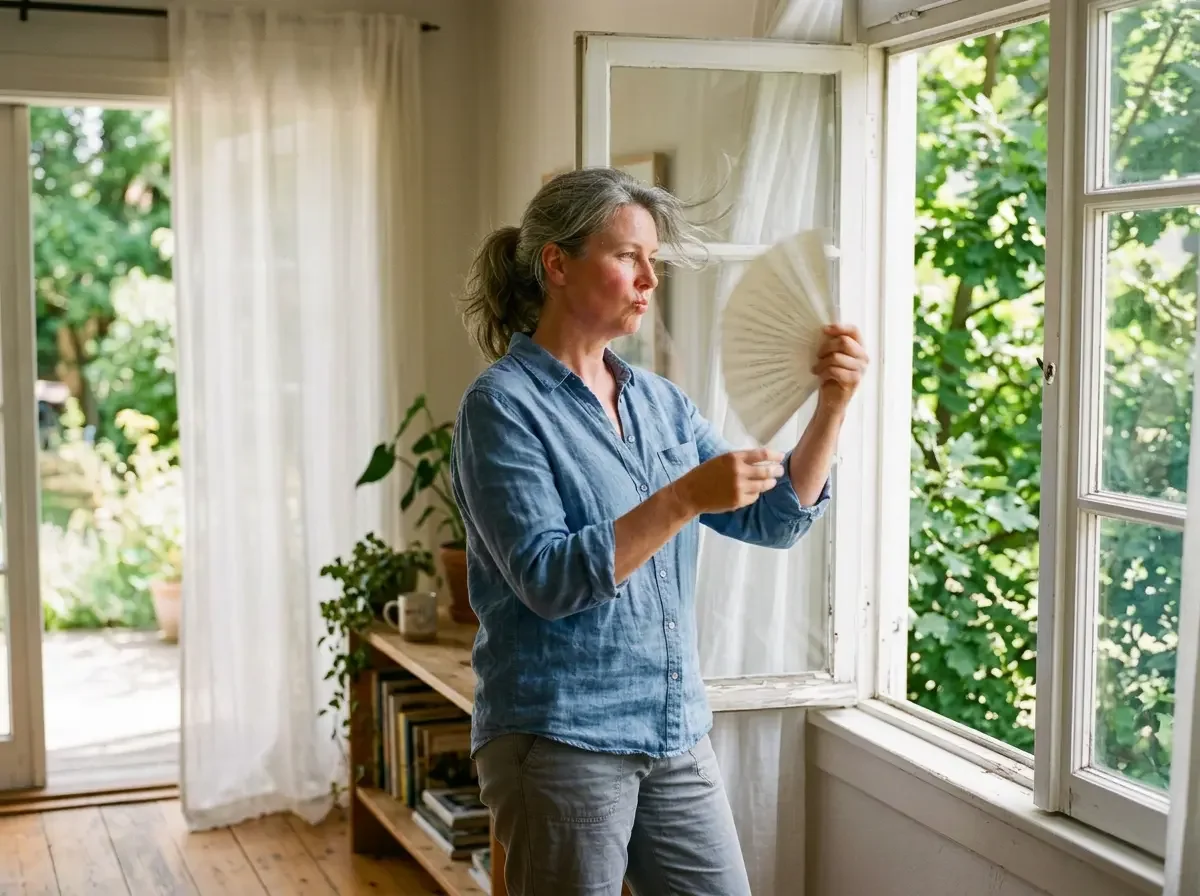
A 10-year study tracked 955 women through their menopausal transition and found a clear pattern: hot flash reports peaked in July and dropped to their lowest point in January. Women had 66% greater odds of experiencing a hot flash at their summer peak. If this is the third or fourth summer in a row where the heat seems to be making things worse, that's not a coincidence worth continuing to manage alone.
Last updated: July 2026
If you've noticed that your hot flashes feel more frequent, more intense, or harder to shake off once North Carolina's summer heat sets in, you're not imagining it, and you're not just "sensitive to the heat." There's a real physiological reason summer makes perimenopause symptoms worse, and understanding it is the first step toward getting an evaluation that actually addresses the cause instead of just the calendar.
In my practice, I see this pattern every July: women who managed reasonably well in the spring come in convinced something has suddenly gotten worse. Often, nothing new has happened. The heat has simply turned up the volume on something that was already there.
It's Not "Just the Heat," It's Your Hypothalamus
Hot flashes are controlled by the hypothalamus, the part of the brain that acts as your internal thermostat. As estrogen levels fluctuate during perimenopause, this thermostat becomes more sensitive to small shifts in body temperature. Researchers call the comfortable range where your body doesn't need to sweat or shiver the "thermoneutral zone." During perimenopause, that zone narrows considerably.
Here's what that means in practice. A woman in her 20s can walk from an air-conditioned building into a 95-degree parking lot without much of a reaction. A woman in perimenopause, whose thermoneutral zone has narrowed, may register that same temperature shift as a full-blown hot flash, complete with flushing, sweating, and a racing heartbeat.
The heat isn't creating a new problem. It's exposing a system that was already more reactive than it used to be.
What the Research Actually Shows About Summer and Hot Flashes
This isn't anecdotal. A 10-year longitudinal analysis from the Study of Women's Health Across the Nation (SWAN) tracked 955 women through their menopausal transition and found a clear seasonal pattern: hot flash reports peaked in July and dropped to their lowest point in January. Women had 66% greater odds of experiencing a hot flash at their summer peak compared to their winter low point, a finding that held even after researchers adjusted for age, smoking status, and body mass index.
The Menopause Society, the leading professional organization for menopause care, notes that vasomotor symptoms (the clinical term for hot flashes and night sweats) affect up to 80% of women during the menopause transition and typically last 7 to 10 years. That's not a symptom you should have to grit your teeth through for a decade, especially when summer is reliably going to make it worse.
A few things worth knowing about how heat interacts with these symptoms:
Dehydration lowers your body's ability to regulate temperature efficiently, which can make hot flashes both more frequent and more intense
Humidity interferes with your body's ability to cool itself through sweat evaporation, so hot flashes in North Carolina's humid summers often feel harder to shake than the same symptom would in a dry climate
Sleep disruption from night sweats compounds during summer months, since bedrooms often run warmer even with air conditioning working overtime
Caffeine and alcohol, both common warm-weather staples (think iced coffee and rosé on the porch), are established hot flash triggers that become easier to reach for in summer
Why Mood Swings Follow the Same Pattern
Hot flashes and mood changes aren't separate problems that happen to show up around the same time in life. They share a mechanism.
When hormone fluctuations disrupt sleep through repeated night sweats, the downstream effect is a body running on inadequate rest. Sleep deprivation alone is enough to increase irritability, lower frustration tolerance, and make normal stressors feel disproportionately overwhelming. Add in a hypothalamus that's already working overtime to manage temperature, and you get a nervous system with very little buffer left for anything else.
I've had patients describe this as feeling like "a different person" by August, short-tempered with their kids, less patient at work, crying more easily than usual. It's not a character shift. It's a hormonal and physiological one, and it deserves to be evaluated as such rather than dismissed as "just being tired" or "just the heat."
Signs This Is More Than a Bad Summer
Some warm-weather crankiness is normal for anyone. What I want patients to pay attention to is a pattern, not a single bad week. Consider scheduling an evaluation if you notice:
Hot flashes that are increasing in frequency year over year, not just worse in summer compared to your own winter baseline
Night sweats disrupting sleep at least a few nights a week
Mood changes that feel disconnected from anything actually happening in your life
New irregularity in your menstrual cycle alongside these symptoms
Symptoms that don't ease up once the temperature does, come fall
What I Look At During an Evaluation
When a patient comes in describing worsening summer symptoms, I don't start with the assumption that hormone therapy is the immediate answer. I start with a full picture: symptom timing and severity, sleep quality, cycle history, and how these changes are actually affecting daily life. That conversation is what determines whether we're looking at classic perimenopausal hormone fluctuation, something else entirely, or a combination that needs its own plan.
This is exactly the kind of evaluation that gets rushed in a typical 15-minute primary care visit, and it's part of why I built this practice around longer appointments in the first place. A patient once told me that her previous doctor's answer to her summer symptoms was "drink more water and see how it goes." Water matters, but it's not an evaluation.
Practical Steps While You Wait for Your Appointment
A few adjustments won't resolve a hormonal pattern, but they can take some pressure off while you're working toward a proper evaluation:
Keep a simple symptom log for two to three weeks, noting time of day, what you were doing, and severity, since this becomes genuinely useful clinical information
Prioritize hydration throughout the day rather than only when you feel a hot flash coming on
Keep your bedroom several degrees cooler than the rest of the house, particularly in the hour before sleep
Limit caffeine and alcohol on the hottest days, even if that's a tough ask in July
Dress in layers you can shed quickly rather than fabrics that trap heat
When Summer Symptoms Deserve a Real Conversation
If this is the third or fourth summer in a row where the heat seems to be making things worse, that's not a coincidence you should keep managing alone with box fans and iced tea. It's a signal that your hormones are asking for attention, and that attention deserves more than a hallway conversation at your annual physical.
As I've discussed in more detail in our post on hormone balance and what midlife actually feels like, perimenopause is a legitimate, diagnosable transition, not a vague catch-all for "getting older." If you've already noticed a seasonal pattern in your own symptoms, that observation alone is worth bringing to your next appointment. It's exactly the kind of detail that helps distinguish ordinary summer discomfort from a hormonal picture that's ready for a dedicated conversation about options, including what hormone replacement therapy can and can't do for you.
We go into more of what that broader conversation should include in Perimenopause and Menopause: What Your Doctor Should Be Talking to You About, and in our overview of perimenopause care in Chapel Hill. If your household is also dealing with the more general summer wear and tear that hits every family this time of year, our post on summer health mistakes Chapel Hill families make every year is worth a read too.
If you're ready to talk through what you're experiencing with someone who has the time to actually listen, reach out to schedule a visit or call us at 919-827-0009.