What "Wellness" Actually Means When Your Doctor Has Time For You

The gap isn't information. Patients already know they should move more, sleep better, and drink more water. What they don't have is a doctor with enough time to figure out why that advice hasn't worked for them specifically — or what's actually going on underneath it. That's not a wellness program. That's just what primary care is supposed to be.
Last updated: August 2026
August is National Wellness Month, which means your inbox and social feeds are about to fill up with hydration reminders, sleep hygiene checklists, and step-count challenges. None of that is wrong, exactly. It's just not what's actually been missing from most people's healthcare. In my experience, the gap isn't information. Patients already know they should move more, sleep better, and drink more water. What they don't have is a doctor with enough time to figure out why that advice hasn't worked for them specifically, or what's actually going on underneath it.
This post isn't a wellness listicle. It's an honest look at what "wellness" means when it's coming from a physician who actually has the time to practice medicine the way it's supposed to work, and why that time is the differentiator, not a separate wellness program layered on top of it.
Why "Wellness" Content Feels Disconnected From Real Care
There's an entire industry built around the word "wellness," and much of it exists parallel to actual medical care rather than integrated with it. Supplement subscriptions, wellness apps, generic content calendars timed to awareness months. None of it is inherently bad, but it treats wellness as something you pursue separately from your doctor, on your own time, usually after a rushed 15-minute visit that didn't leave room to talk about it.
I'd push back on that framing entirely. Wellness isn't a category of content or a set of habits you manage alone. It's what happens when a physician has enough time to actually look at the whole picture, your labs, your history, your family patterns, your stress load, your specific life, and help you make sense of it together. That's primary care doing its actual job. It just requires something most primary care visits don't have: time.
The Time Problem Nobody's Naming
This isn't a vague complaint about a broken healthcare system. It's measurable.
The average primary care visit in the United States lasts about 18 minutes, based on an analysis of more than 21 million visits published in the journal Medical Care.
A separate simulation study found that a primary care physician working alone would need roughly 26.7 hours in a single day to fully deliver every guideline-recommended preventive, chronic disease, and acute care service for an average patient panel, plus the associated documentation.
Even with a team-based care model, researchers found physicians would still need 9.3 hours per day to meet those same guidelines, which is still more time than a standard clinic day allows.
I don't share these numbers to criticize other physicians. Most of my colleagues are working incredibly hard inside a structure that was never built to support the kind of care patients actually need. The math simply doesn't work when a doctor is expected to manage chronic disease, catch what's easy to miss, counsel on prevention, and build a real relationship with a patient, all inside a visit shorter than a sitcom episode.
What Actually Changes With More Time
When a visit isn't capped at 15 or 18 minutes, a few things become possible that simply aren't in a rushed appointment:
The real question gets asked. Patients often lead with a smaller concern and only mention what's actually bothering them in the last few minutes of a visit, if there's time left to get there at all.
Patterns become visible. A single symptom looked at in isolation reads very differently than the same symptom viewed alongside three years of labs, a family history, and a recent life change.
Prevention actually happens, instead of getting mentioned and deferred to "next time" because the visit ran out of minutes.
Follow-through improves. A plan that's explained fully, with room for questions, gets followed. A plan handed to a patient on their way out the door usually doesn't.
The physician remembers you as a person with a specific history, not a chart pulled up thirty seconds before walking into the room.
None of this requires a wellness app. It requires a visit long enough for a doctor to actually practice medicine.
A Realistic Example
Consider a woman in her early 40s who comes in for what she describes as "just feeling off." In a rushed visit, that complaint often gets addressed with a quick check of vitals and a general recommendation to sleep more and reduce stress, reasonable advice, but incomplete.
With more time, that same conversation can go further: a real look at sleep quality versus sleep duration, a conversation about whether perimenopause could be part of the picture, a review of whether stress is situational or chronic, and bloodwork ordered with an actual hypothesis behind it rather than a general panel. The outcome isn't a different set of instructions. It's an actual explanation, which is usually what the patient wanted in the first place.
What This Looks Like at Concierge Medicine of Chapel Hill
This is the entire reason I built this practice around a smaller patient panel rather than the volume-based model most primary care runs on. A smaller panel means visits aren't compressed into 15-minute slots, and it means I have the time to think between appointments, not just during them.
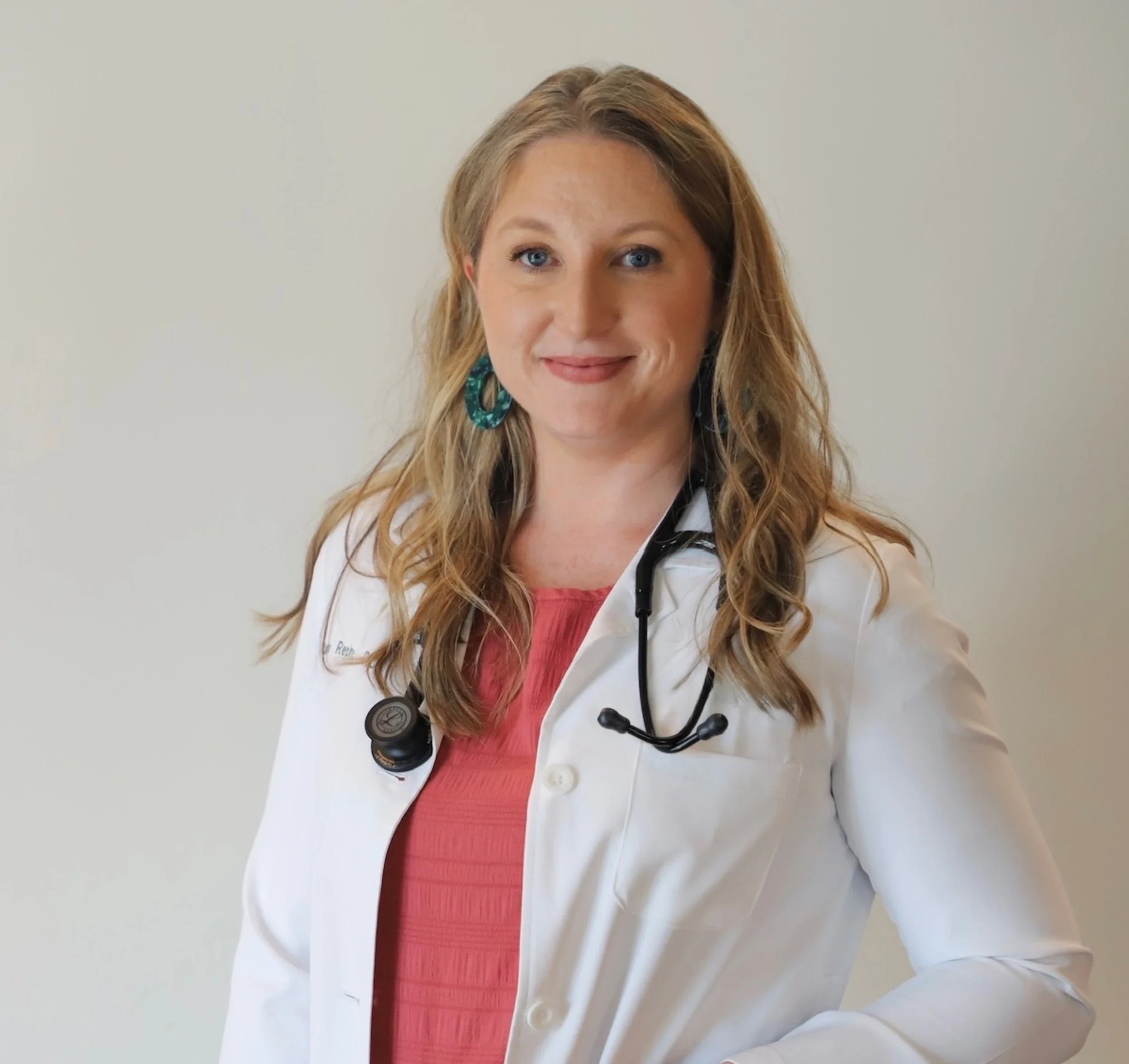
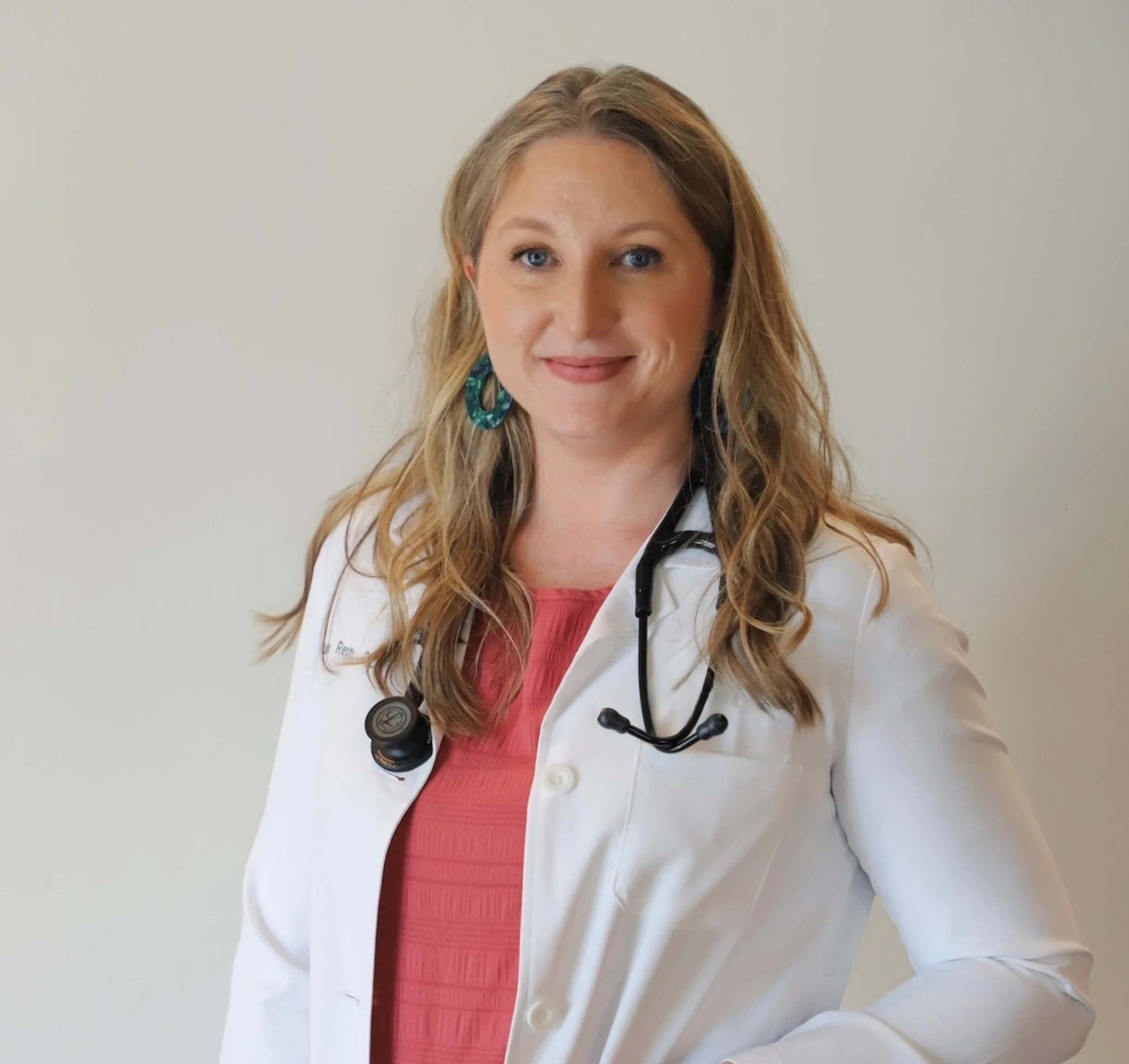
"Patients don't usually need me to tell them to drink more water. They need me to have enough time to figure out what's actually going on, and enough continuity to notice when something's changed since the last visit. That's not a wellness add-on. That's just what primary care is supposed to be." — Dr. Claire Repine
I've written before about why longer doctor visits in Chapel Hill lead to better health outcomes, and this is the same principle applied to a broader idea. If you're curious what an unhurried visit actually looks like in practice, our post on what concierge medicine in Chapel Hill actually looks like walks through it appointment by appointment.
If this resonates with where you are right now, whether you've felt rushed out of appointments before or you're simply tired of generic advice that doesn't account for your specific health picture, I'd encourage you to look at our Membership Services page. It outlines exactly what membership includes: longer visits, direct access, and a physician who has the time to actually practice preventive medicine rather than just refer you to a wellness app on your way out.
Wellness Isn't a Program. It's a Byproduct.
If there's one thing I'd want a Chapel Hill patient to take from National Wellness Month this year, it's this: wellness isn't something you buy separately from your healthcare, and it isn't a checklist you're supposed to manage on your own between rushed appointments. It's what happens naturally when a physician has enough time to actually know you, ask the follow-up question, and connect the dots that a 15-minute visit never allows for. That's not a wellness trend. That's just what primary care should have been all along.
If you'd like to talk through what unhurried, whole-person primary care could look like for you or your family, call our office at 919-827-0009 or reach out to schedule a meet-and-greet.